
Switching careers can be daunting, especially in specialized fields like dementia care. Many professionals find themselves seeking new opportunities that better align with their passion and expertise.
Success stories from those who have navigated this transition offer valuable insights and inspiration. They reveal practical strategies, common challenges, and the rewarding outcomes of pursuing a fresh start in dementia care.
Whether you’re contemplating a move or already on the path, understanding these experiences can make all the difference. Let’s dive in and explore these successful career shifts in detail!
Finding the Right Path: Identifying Transferable Skills for Dementia Care
Recognizing Your Existing Strengths
Many professionals underestimate how their current skills can translate into dementia care roles. For example, someone with a background in nursing or social work might already possess strong communication and empathy skills that are critical when working with dementia patients.
I remember a colleague who transitioned from a retail management position; her experience in conflict resolution and customer service proved invaluable in managing challenging behaviors and building trust with clients.
It’s about reframing what you’ve learned in your previous job and seeing how it fits into this new, specialized field.
Bridging Skill Gaps Through Targeted Learning
Once you understand your transferable skills, the next step is addressing gaps. Many successful career changers have invested time in dementia-specific certifications or workshops.
Personally, I found that completing a dementia care training course not only boosted my confidence but also made my resume stand out. Online courses, community college programs, or even volunteering opportunities can provide hands-on experience and knowledge that employers look for.
The key is to be proactive and show genuine commitment to mastering the nuances of dementia care.
Communicating Your Value to Employers
When applying for dementia care roles, it’s crucial to articulate how your background enhances your ability to care for patients. Crafting your resume and cover letter with clear examples of relevant skills—like patience, crisis management, or teamwork—can make a huge difference.
During interviews, sharing personal stories or experiences that demonstrate your empathy and dedication can help employers see you as a perfect fit. It’s not just about what you’ve done but how those experiences prepare you to excel in dementia care.
Overcoming Emotional Challenges in Career Transition
Dealing with Uncertainty and Fear
Switching to a field as emotionally demanding as dementia care can trigger anxiety and self-doubt. I remember feeling overwhelmed when I first started, worrying if I had what it took to support patients and families facing such difficult realities.
It’s natural to fear the unknown, but many who’ve made the leap emphasize the importance of patience with yourself. Taking small steps, seeking mentorship, and building a support network can ease this transition.
Managing Emotional Fatigue and Burnout
Dementia care is emotionally taxing, and new professionals often underestimate this aspect. Learning to set boundaries and practice self-care early on is vital.
For instance, I found that regular debrief sessions with colleagues and engaging in activities outside work helped me maintain my mental health. Recognizing signs of burnout before they escalate and asking for help when needed can sustain your passion and effectiveness in this career.
Finding Reward and Meaning in the Work
Despite the challenges, many career changers describe dementia care as one of the most fulfilling paths they’ve taken. Witnessing small moments of connection or progress in patients can be incredibly rewarding.
This sense of purpose often outweighs the hardships and motivates professionals to keep growing. Sharing these positive experiences with others can also reinforce your commitment and resilience.
Building a Professional Network Within Dementia Care
Connecting With Experienced Practitioners
Networking can open doors that formal applications might not. I’ve found that attending local dementia care seminars or joining professional organizations creates opportunities to meet seasoned caregivers who offer guidance and sometimes job leads.
Conversations with these experts provide insights that aren’t found in textbooks, such as coping strategies and day-to-day realities of the role.
Leveraging Online Communities and Resources
The internet offers vast resources for those entering dementia care. Participating in forums, webinars, and social media groups dedicated to dementia support can expand your knowledge and introduce you to a community of like-minded individuals.
I personally benefited from a Facebook group where members shared practical advice, job openings, and emotional support. These platforms are invaluable for staying current with best practices and innovations in the field.
Volunteering to Gain Experience and Build Connections
Volunteering at nursing homes, memory care centers, or Alzheimer’s associations provides hands-on experience and helps build credibility. Many career changers I’ve spoken with started by volunteering, which not only enriched their resumes but also helped them confirm their passion for this work.
Plus, volunteering often leads to paid opportunities as organizations prefer hiring those who’ve already demonstrated commitment and skill.
Practical Strategies for Job Searching and Interviewing
Targeting Employers Who Value Career Changers
Some organizations specifically welcome applicants transitioning into dementia care, recognizing the diverse perspectives they bring. Researching and applying to these employers can increase your chances of success.
I once applied to a memory care facility that offered a mentorship program for newcomers, which was an ideal environment for learning and growth.
Preparing for Interview Questions Specific to Dementia Care
Interviewers in this field often ask scenario-based questions to assess your problem-solving and interpersonal skills. Practicing responses that highlight your empathy, patience, and adaptability can boost your confidence.
For example, describing how you would handle a confused or agitated patient shows your readiness for real-world challenges.
Negotiating Salary and Benefits
Many career changers worry about starting salaries, especially if they’re entering a lower-paying sector. However, understanding the compensation landscape and benefits available can help you negotiate effectively.
Some employers offer tuition reimbursement, flexible scheduling, or wellness programs that add value beyond base pay.
Education and Certification Pathways to Enhance Career Prospects
Understanding Required and Optional Certifications
While some dementia care roles require formal certification, others accept relevant experience or training. Certifications like the Certified Dementia Practitioner (CDP) credential can significantly boost your employability.
I found that investing in such certifications opened doors to higher-paying and more specialized positions.
Continuing Education for Career Advancement
Ongoing learning is essential in this field due to evolving best practices and medical knowledge. Participating in workshops, conferences, or advanced courses keeps you updated and positions you as a knowledgeable professional.
Many employers value this commitment and may offer promotions or raises accordingly.

Balancing Education With Work Responsibilities
For those already working while studying, time management is crucial. Creating a realistic schedule and seeking support from family or colleagues can make balancing these demands manageable.
I recall juggling evening classes with my caregiving shifts, which was challenging but ultimately rewarding.
Financial Planning and Long-Term Career Sustainability
Assessing Initial Financial Impact
Career changes often come with short-term financial adjustments, especially when starting in entry-level dementia care roles. Budgeting for this transition period and exploring part-time or flexible work options can ease the strain.
I suggest creating a detailed financial plan before making the leap.
Exploring Growth Opportunities and Salary Increases
Dementia care offers various pathways for career growth, such as becoming a care coordinator, trainer, or administrator. These roles typically come with higher compensation.
Planning your career trajectory and seeking additional certifications can help you move up the ladder.
Utilizing Benefits and Support Programs
Many employers in healthcare and social services provide benefits like health insurance, retirement plans, and mental health resources. Taking full advantage of these offerings contributes to long-term career sustainability.
Additionally, some nonprofit organizations offer grants or scholarships for further education in dementia care.
| Aspect | Key Considerations | Practical Tips |
|---|---|---|
| Transferable Skills | Communication, empathy, crisis management | Highlight in resume and interviews; seek relevant training |
| Emotional Challenges | Burnout, uncertainty, emotional fatigue | Set boundaries, practice self-care, seek mentorship |
| Networking | Local events, online communities, volunteering | Attend seminars, join forums, build relationships |
| Job Search | Target career-friendly employers, prepare for scenario questions | Research companies, practice interview answers, negotiate benefits |
| Education | Certifications, continuing education, balancing study and work | Invest in CDP or similar, attend workshops, manage time |
| Financial Planning | Initial salary impact, growth potential, benefits | Create budget, plan career path, utilize employer programs |
Adapting to the Day-to-Day Realities of Dementia Care Work
Understanding the Patient’s Perspective
One of the biggest adjustments is learning to see the world through the eyes of someone with dementia. This requires immense patience and a shift in communication style.
I’ve noticed that using simple language, maintaining eye contact, and validating feelings rather than correcting memories can transform interactions and reduce frustration for both parties.
Developing Routine and Consistency
Dementia patients often thrive on routine, so caregivers must be flexible yet consistent. This balance was something I had to learn firsthand. Establishing predictable daily schedules while being ready to adapt to mood changes is key to providing effective care and creating a sense of security for patients.
Collaborating With Families and Healthcare Teams
Effective dementia care involves working closely with family members and other professionals. Clear communication, empathy, and teamwork are essential.
I’ve found that regular updates and involving families in care decisions not only improve outcomes but also build trust and rapport.
Leveraging Technology to Enhance Dementia Care Skills
Using Digital Tools for Training and Education
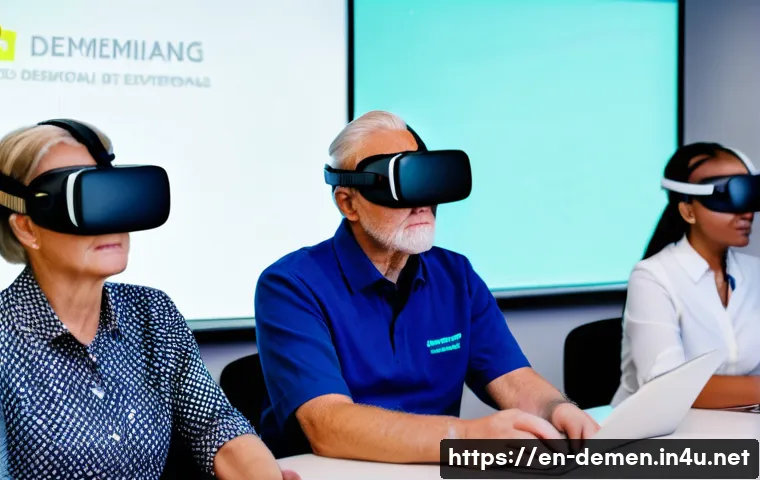
Technology has revolutionized learning opportunities for dementia care. Virtual reality simulations, e-learning modules, and mobile apps offer immersive ways to understand patient experiences and practice skills.
I tried a VR program that simulates dementia symptoms, and it profoundly changed how I approach patient interactions.
Implementing Care Management Software
Many care facilities now use software to track patient behaviors, medications, and care plans. Familiarity with these tools can increase your efficiency and accuracy.
During my transition, mastering such systems made me stand out as a competent and organized caregiver.
Staying Updated With Research and Innovations
The field of dementia care is constantly evolving, with new therapies and best practices emerging regularly. Subscribing to newsletters, following relevant podcasts, and attending webinars help professionals stay informed.
This ongoing learning not only benefits patients but also enhances your credibility and career growth.
In Closing
Transitioning into dementia care is a meaningful journey that requires self-awareness, dedication, and continuous learning. By recognizing your existing strengths and embracing new skills, you can make a positive impact in this rewarding field. Remember, every step forward brings you closer to providing compassionate care that truly matters.
Useful Information to Keep in Mind
1. Identify and highlight your transferable skills like communication and empathy to stand out in dementia care roles.
2. Invest in specialized training or certifications to fill knowledge gaps and boost your confidence.
3. Build a strong professional network through volunteering, online communities, and local events.
4. Prepare thoughtfully for interviews by practicing scenario-based questions and clearly communicating your value.
5. Plan financially for the transition, considering initial salary changes and long-term career growth opportunities.
Key Takeaways
Successfully shifting into dementia care involves leveraging your existing skills while proactively addressing areas for growth through education and experience. Emotional resilience and self-care are essential to manage the challenges of this field. Building connections within the dementia care community enhances support and job prospects. Thoughtful job searching and interview preparation can make all the difference, as can understanding and utilizing available benefits to sustain your career over time. Embracing technology and staying informed on the latest developments will further strengthen your expertise and effectiveness as a caregiver.
Frequently Asked Questions (FAQ) 📖
Q: What are the key challenges when switching to a career in dementia care?
A: One of the biggest challenges is acquiring the specialized knowledge and skills required to provide compassionate and effective care. Dementia care demands patience, empathy, and a deep understanding of the condition’s progression.
Many professionals also face emotional hurdles, as working closely with individuals experiencing cognitive decline can be taxing. Additionally, adapting to the healthcare environment, managing unpredictable situations, and navigating certification or licensing requirements can feel overwhelming at first.
However, with the right training and support network, these obstacles become manageable, and many find the work deeply fulfilling.
Q: How can someone successfully transition into dementia care from a completely different field?
A: From my experience and stories I’ve encountered, the transition works best when you start by gaining foundational knowledge through courses or certifications in dementia care or gerontology.
Volunteering or shadowing experienced caregivers provides practical insight and helps build confidence. Networking with professionals already in the field opens doors to mentorship and job opportunities.
It’s also important to mentally prepare for the emotional aspects and develop strong communication skills tailored to individuals with cognitive impairments.
Taking gradual steps rather than rushing into a new role allows for a smoother adjustment and a more rewarding career shift.
Q: What are the rewarding aspects of a career in dementia care that make the challenges worthwhile?
A: Many who have made the switch speak passionately about the profound impact they can have on patients’ lives and their families. There’s a unique sense of purpose in providing comfort, preserving dignity, and enhancing quality of life for those affected by dementia.
Witnessing small breakthroughs or moments of clarity can be incredibly uplifting. The relationships built with patients and their loved ones often bring deep emotional satisfaction.
Beyond personal fulfillment, dementia care roles frequently offer stable employment and opportunities for advancement in a growing field, making it both a meaningful and practical career choice.