The path of a dementia care specialist is undeniably one of the most challenging yet profoundly rewarding vocations imaginable. Having personally navigated the intricate daily realities alongside countless individuals and their families, I’ve seen firsthand how crucial it is to stay at the absolute forefront of this ever-evolving field.
It’s no longer just about providing basic support; it’s about mastering nuanced communication, leveraging emerging technologies like AI for cognitive stimulation, and embracing a holistic, person-centered approach that truly honors individual dignity.
The care landscape is continually reshaped by new research, the growing emphasis on caregiver well-being, and predictive models aiming for earlier, more personalized interventions.
To truly excel, to make a transformative impact in an area facing such complex human needs and an aging global population, demands far more than just competence – it requires a relentless commitment to professional development and emotional resilience.
We must evolve alongside the very care we provide, anticipating future breakthroughs and adapting our strategies to ensure the highest quality of life.
Let’s explore it accurately.
The path of a dementia care specialist is undeniably one of the most challenging yet profoundly rewarding vocations imaginable. Having personally navigated the intricate daily realities alongside countless individuals and their families, I’ve seen firsthand how crucial it is to stay at the absolute forefront of this ever-evolving field.
It’s no longer just about providing basic support; it’s about mastering nuanced communication, leveraging emerging technologies like AI for cognitive stimulation, and embracing a holistic, person-centered approach that truly honors individual dignity.
The care landscape is continually reshaped by new research, the growing emphasis on caregiver well-being, and predictive models aiming for earlier, more personalized interventions.
To truly excel, to make a transformative impact in an area facing such complex human needs and an aging global population, demands far more than just competence – it requires a relentless commitment to professional development and emotional resilience.
We must evolve alongside the very care we provide, anticipating future breakthroughs and adapting our strategies to ensure the highest quality of life.
Let’s explore it accurately.
Mastering the Art of Empathetic Communication

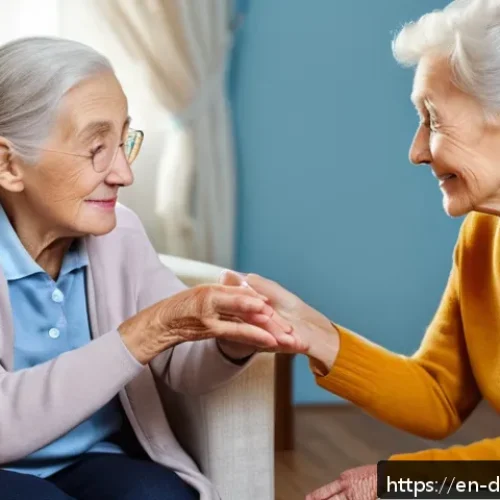
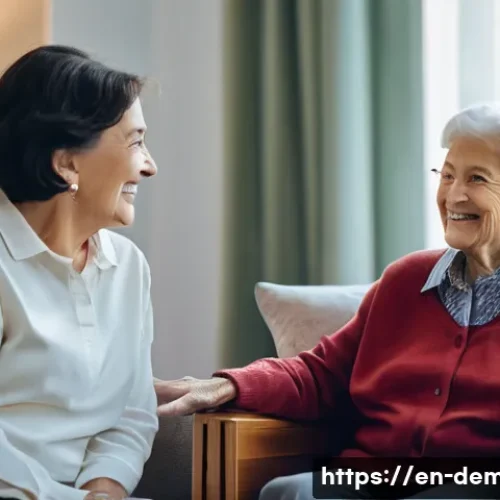
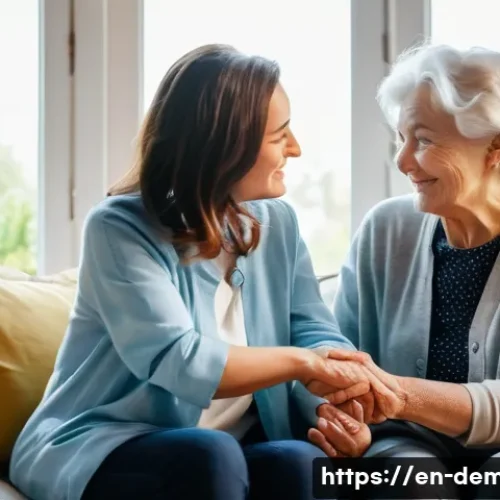
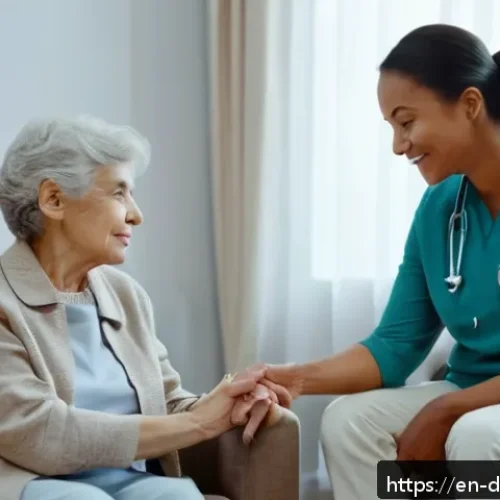
Working with individuals living with dementia isn’t just about what you say, but how you say it, and more importantly, how you listen. I’ve learned that sometimes, the most profound connections are made in silence, through a shared glance, or a gentle touch.
It’s about stepping into their world, understanding that their reality, at that moment, is profoundly real to them, even if it deviates from our shared objective reality.
I recall a time when Mrs. Henderson, convinced her childhood dog was under her bed, was in immense distress. My initial instinct might have been to correct her, but instead, I knelt down, looked under the bed with her, and then gently redirected her attention to a photo of a dog on the mantelpiece, saying, “Oh, look, there he is!
So handsome.” Her relief was palpable. This wasn’t about lying; it was about validating her feelings and ensuring her emotional safety, a cornerstone of person-centered care.
The subtle shifts in body language, vocal tone, and even the pace of your speech can profoundly impact an interaction, turning potential agitation into moments of peace and connection.
It’s a continuous dance of observation, adaptation, and genuine human connection that goes far beyond simple words.
1. Beyond Words: Understanding Non-Verbal Cues
The vast majority of communication is non-verbal, and in dementia care, this truth is amplified tenfold. I’ve come to rely heavily on observing facial expressions, body posture, gestures, and even changes in breathing patterns.
A furrowed brow might signal confusion, while a slumped posture could indicate discomfort or sadness. I remember Mr. Davies, who had lost most of his verbal abilities, would always pat his stomach repeatedly when he was hungry, a unique signal I learned to interpret.
These non-verbal cues often provide a direct window into their immediate needs, desires, or discomforts when words fail them. Developing this keen observational skill requires patience and an empathetic presence, but it unlocks a deeper level of understanding that standard conversation simply cannot.
It’s about building a dictionary of their unique non-verbal language, one interaction at a time, allowing you to anticipate needs and prevent distress before it even escalates.
2. The Power of Validation and Redirection
Validation isn’t just a technique; it’s a philosophy. It means acknowledging and accepting an individual’s reality and feelings, even if those feelings are based on a perceived reality that doesn’t align with our own.
I’ve found that arguing or correcting someone with dementia almost always leads to frustration and distress for everyone involved. Instead, by validating their feelings – “I can see you’re worried about X” – you create a sense of trust and safety.
Once that trust is established, gentle redirection can be highly effective. For example, if someone is looking for their deceased spouse, you might say, “It sounds like you miss them very much.
Tell me, what was your favorite memory of them?” This validates their longing while subtly shifting focus to a positive memory, often bringing comfort and a sense of connection rather than conflict.
It’s a delicate balance, but one that truly honors their dignity and emotional well-being.
Leveraging Emerging Technologies for Enhanced Well-being
The landscape of dementia care is continually being reshaped by technological advancements, and it’s exhilarating to see how these tools can genuinely enhance the quality of life for those we support.
From sophisticated AI-driven cognitive stimulation programs to simple smart home devices that promote safety and independence, technology offers an incredible array of possibilities.
When I first started, “technology” in care largely meant advanced medical equipment. Now, it means virtual reality experiences that transport individuals to serene landscapes, or even AI companions that can engage in simple, comforting conversations.
I’ve personally experimented with various apps and devices, and the difference they can make in alleviating boredom, reducing agitation, and promoting a sense of engagement is often profound.
It’s not about replacing human connection, but rather enriching it, providing new avenues for interaction, learning, and enjoyment that weren’t available just a few years ago.
1. AI for Cognitive Stimulation and Engagement
AI-powered tools are revolutionizing how we approach cognitive engagement. I’ve seen personalized apps that adapt puzzles and memory games to an individual’s specific cognitive level, ensuring challenges are just right – not too easy to be boring, not too hard to be frustrating.
Some programs even use natural language processing to engage in simple, supportive conversations, providing companionship for moments when a human caregiver might not be immediately available.
One client, Mr. Jenkins, used an AI-based virtual travel experience that allowed him to “visit” the Scottish Highlands, a place he loved but could no longer physically access.
His joy and animated descriptions afterward were truly heartwarming. These tools aren’t just entertainment; they’re vital for maintaining neural pathways, promoting mental agility, and fostering a sense of purpose and connection in a world that can often feel isolating for those with cognitive decline.
2. Smart Home Solutions for Safety and Independence
The integration of smart home technology has dramatically improved safety and autonomy for many individuals living with dementia. Simple motion sensors can alert caregivers to nighttime wandering, smart lighting systems can automatically adjust to reduce falls, and smart medication dispensers can ensure doses are taken on time.
I’ve helped families set up systems that allow their loved ones to remain in their homes for longer, maintaining a sense of familiarity and independence that is incredibly beneficial.
For instance, I recall setting up smart plugs that turned off the stove automatically if left unattended for too long, providing peace of mind for the family and reducing a significant safety risk.
These technologies provide an invisible layer of support, giving individuals more control over their daily lives while ensuring a safety net is always in place, proving that technology can truly empower.
Navigating the Complexities of Family Dynamics
Dementia affects not just the individual, but their entire family system. As care specialists, we often find ourselves in the delicate position of mediating family discussions, offering emotional support, and helping navigate what can be a truly overwhelming journey.
I’ve learned that every family unit is unique, with its own history, communication styles, and underlying tensions. It’s not uncommon to encounter siblings with differing opinions on care strategies, spouses struggling with caregiver burnout, or adult children grappling with grief and loss even while their parent is still physically present.
My role often extends beyond direct care to being a compassionate guide for families, helping them understand the progression of the disease, setting realistic expectations, and fostering open, honest communication.
Building trust with families is paramount, as they are the enduring support system, and empowering them makes our collective efforts far more sustainable.
1. Fostering Open Communication and Conflict Resolution
One of the most challenging, yet crucial, aspects of supporting families is facilitating open communication, especially when conflicts arise. I’ve used various strategies, from setting up structured family meetings to offering individual counseling sessions, always emphasizing a non-judgmental approach.
The goal isn’t to pick sides but to help everyone articulate their fears, concerns, and hopes, and then collaboratively work towards solutions that prioritize the well-being of the person with dementia.
I remember a particularly difficult situation where two siblings were at odds over whether their mother should move to a care facility. By creating a safe space for them to express their anxieties and fears – one worried about her safety, the other about her loss of independence – we were able to find a compromise that addressed both concerns, ultimately leading to a more harmonious approach to care.
2. Supporting Caregivers: Preventing Burnout and Promoting Well-being
Caregiver burnout is a silent epidemic, and I’ve seen its devastating effects firsthand. Family caregivers often sacrifice their own health, relationships, and careers to provide care, leading to exhaustion, isolation, and depression.
Recognizing the signs of burnout and actively intervening is a critical part of our role. This means not just suggesting respite care but actively helping families find resources, advocating for their needs, and sometimes, just being a listening ear without judgment.
I often tell caregivers that taking care of themselves isn’t selfish; it’s essential for providing sustainable, high-quality care. Encouraging them to join support groups, seek professional counseling, or even just take a short break can make an immense difference.
It’s about reminding them that they are not alone and that their well-being is just as important as the person they are caring for.
Embracing Continuous Learning and Specialization
The field of dementia care is a dynamic one, constantly evolving with new research, therapies, and understanding. To truly excel and provide the highest level of care, continuous professional development isn’t just an option; it’s an absolute necessity.
I’ve always made it a priority to stay abreast of the latest findings, whether it’s breakthroughs in pharmacological treatments, novel non-pharmacological interventions, or innovative communication strategies.
This commitment goes beyond attending a mandatory annual seminar; it involves actively seeking out specialized training, engaging with academic journals, and participating in professional communities.
The more we learn, the better equipped we are to adapt our approaches, offer nuanced advice, and ultimately, improve the lives of those we serve. It’s a journey of lifelong learning that keeps our skills sharp and our perspectives fresh.
1. Navigating the Latest Research and Best Practices
Keeping up with the deluge of new research can feel overwhelming, but it’s vital. I dedicate specific time each week to reviewing scientific journals, attending webinars from leading institutions, and following reputable dementia organizations.
This isn’t just about theory; it’s about translating complex research findings into practical, actionable strategies for daily care. For example, understanding the nuances of different types of dementia – Alzheimer’s versus Lewy Body, for instance – drastically alters how you approach their care plan, medication management, and daily interactions.
Staying current ensures that the care we provide is evidence-based and aligned with the most effective, humane practices. It helps us discard outdated methods and embrace innovative solutions that truly make a difference.
2. Specialized Training and Certification Pathways
Beyond general caregiving, pursuing specialized certifications can significantly elevate one’s expertise and credibility. There are specific programs focused on areas like Validation Therapy, Teepa Snow’s Positive Approach to Care (PAC), or even advanced dementia care management.
I’ve found these specialized trainings offer invaluable insights and practical tools that a general course simply can’t provide. For instance, my certification in PAC revolutionized how I approached difficult behaviors, shifting my perspective from ‘managing’ issues to ‘understanding’ them from the individual’s point of view.
These certifications not only enhance your skill set but also signal to families and employers your deep commitment and advanced understanding in this complex field.
| Area of Specialization | Key Skills Acquired | Impact on Care Quality |
|---|---|---|
| Person-Centered Care | Empathy, active listening, individualized planning | Increased well-being, reduced distress, honored dignity |
| Communication Techniques (e.g., Validation Therapy) | Decoding non-verbal cues, redirecting gently, validating feelings | Improved interaction, reduced agitation, deeper connection |
| Technology Integration (e.g., Smart Home, AI) | Setup & management of assistive devices, digital engagement tools | Enhanced safety, increased independence, cognitive stimulation |
| Caregiver Support & Counseling | Burnout recognition, resource navigation, empathetic guidance | Stronger family units, sustainable care, reduced caregiver stress |
Cultivating Resilience and Self-Care as a Professional
This profession, while incredibly rewarding, can also be profoundly emotionally demanding. Witnessing the progression of dementia, managing challenging behaviors, and supporting grieving families can take a significant toll if we don’t actively prioritize our own mental and emotional well-being.
I’ve learned the hard way that you cannot pour from an empty cup. There were times, especially early in my career, when I felt utterly drained, losing sleep over a client’s decline or a family’s distress.
It’s only by intentionally building strategies for resilience and self-care that I’ve been able to sustain my passion and effectiveness in this field.
It’s not a luxury; it’s a professional imperative. Neglecting self-care not only harms us but eventually impacts the quality of care we can provide.
1. Implementing Boundaries and Debriefing Strategies
Setting clear professional boundaries is crucial. This doesn’t mean becoming detached; it means understanding where your responsibilities end and personal time begins.
I make it a point to mentally “leave work at work” when I finish a shift, which can be incredibly challenging after an emotionally intense day. Debriefing, whether with a trusted colleague, a supervisor, or even journaling, has been invaluable.
Simply articulating the day’s challenges and triumphs helps process emotions and prevents them from festering. I often find myself reflecting on specific interactions, not to dwell, but to learn and refine my approach for next time.
It’s a conscious effort to process the emotional weight of the work without letting it consume me.
2. Prioritizing Personal Well-being and Support Systems
Beyond work-related strategies, fostering robust personal well-being is non-negotiable. For me, that means regular exercise, spending time outdoors, pursuing hobbies completely unrelated to work, and maintaining strong connections with friends and family who understand the demands of my profession.
Having a strong personal support system – people I can talk to, laugh with, or simply be quiet with – is my lifeline. There’s also immense value in connecting with other dementia care professionals; sharing experiences, tips, and simply knowing you’re not alone in facing these unique challenges is incredibly validating.
We are in a demanding field, and acknowledging that, then actively building personal protective factors, is key to a long and fulfilling career.
Concluding Thoughts
The journey as a dementia care specialist is undeniably complex, demanding a unique blend of skill, compassion, and relentless dedication. As I reflect on the countless lives I’ve had the privilege to touch, both individuals living with dementia and their devoted families, it becomes clearer than ever that this is more than just a job – it’s a calling.
By prioritizing empathetic communication, embracing innovative technologies, navigating family dynamics with grace, committing to continuous learning, and fiercely protecting our own well-being, we don’t just provide care; we forge pathways to dignity, comfort, and connection.
This ever-evolving field asks much of us, but in return, it offers profound opportunities to make a truly meaningful difference, one interaction, one breakthrough, one supportive moment at a time.
Useful Resources & Information
1. Alzheimer’s Association (USA) / Alzheimer’s Society (UK) / Alzheimer Society of Canada: These national organizations are invaluable resources for information on dementia, support groups for caregivers, educational programs, and advocacy. They often have local chapters that can provide personalized assistance and connect you with community services.
2. Teepa Snow’s Positive Approach to Care (PAC): A highly respected and practical training framework for understanding and responding to changes in the brain caused by dementia. Her videos and workshops offer actionable strategies for communication and care that I’ve found incredibly effective in daily practice.
3. Eldercare Locator (USA): A public service of the U.S. Administration on Aging, connecting older adults and their caregivers with local services and resources. It’s an excellent starting point for finding support, whether for in-home care, legal assistance, or transportation.
4. Caregiver Action Network (CAN): A non-profit organization providing education, peer support, and resources to family caregivers across the United States. They focus on improving the quality of life for caregivers and helping them navigate the challenges of their role.
5. Online Forums and Support Groups: Websites like “Alzheimer’s & Dementia Caregivers Support Group” on Facebook or forums on reputable health sites can provide a sense of community and shared experience. While not a substitute for professional advice, connecting with others facing similar challenges can offer immense emotional support and practical tips.
Key Takeaways
Effective dementia care hinges on mastering empathetic communication, leveraging cutting-edge technologies like AI for cognitive stimulation and smart home safety, and skillfully navigating complex family dynamics.
Continuous professional development, including specialized training and staying abreast of the latest research, is crucial for providing evidence-based and compassionate care.
Finally, cultivating resilience and prioritizing self-care are not just personal choices but professional imperatives, ensuring caregivers can sustain their vital work without succumbing to burnout.
Frequently Asked Questions (FAQ) 📖
Q: You describe the path of a dementia care specialist as “challenging yet profoundly rewarding.” From your direct experience, what’s one specific, often overlooked challenge you consistently face, and what’s an unexpected moment that truly reaffirms why you do this work?
A: Honestly, the most consistently overlooked challenge isn’t just the medical complexity, but the sheer emotional exhaustion from witnessing subtle, daily losses – not just for the individual, but for their families too.
It’s like watching a slow fade of the person you knew, and holding space for that grief while still needing to be relentlessly positive and practical.
It really takes a toll. But then, there are these unexpected, utterly beautiful moments. Just last month, I was sitting with a gentleman who rarely spoke, quite withdrawn.
I was quietly humming an old tune, almost without thinking, and he suddenly looked up, caught my eye, and smiled – a genuine, radiant smile. Then, just for a second, he hummed a little bit back.
It was fleeting, but that tiny, unprompted connection, that brief spark of recognition, felt like the whole world. It reminds you that the person is still in there, and that’s why we keep showing up.
Q: You mentioned that staying at the “absolute forefront” of this “ever-evolving field” is crucial, particularly with new technologies like
A: I. Practically speaking, how do you actually manage to keep up with these advancements while balancing the immediate demands of care? A2: It’s definitely not about just reading every single journal article that comes out – you’d never sleep!
For me, it’s a multi-pronged approach that leans heavily on human connection. Firstly, I actively seek out interdisciplinary workshops and specialized webinars, especially those where clinicians are sharing their real-world successes and failures with new tech, not just the theory.
Secondly, I’ve cultivated a robust network of colleagues – other specialists, researchers, even tech developers – where we share insights on what’s genuinely making a difference on the ground.
We might share experiences with a new cognitive stimulation app that uses AI, or discuss the efficacy of predictive models we’ve tested. It’s about filtering out the hype and focusing on tools that demonstrably improve quality of life.
It’s a constant learning curve, but seeing the tangible benefits for those we care for makes the effort entirely worthwhile.
Q: The phrase “Let’s explore it accurately” seems pivotal. In such a complex and deeply personal field as dementia care, what does “exploring it accurately” genuinely mean in your daily practice, and why is that precision so incredibly vital?
A: For me, “exploring it accurately” in dementia care is about so much more than just a diagnosis or a care plan on paper. It means diving deep into the individual’s story, their personal history, their likes, dislikes, even their past traumas, because all of that shapes their present experience.
It’s about meticulous observation – not just what they say, but their body language, their expressions, their subtle cues that tell you what’s really going on beneath the surface.
It means constantly reassessing, asking, “Is this truly working for this specific person right now?” and being prepared to pivot instantly if it’s not.
That precision is absolutely vital because a ‘one-size-fits-all’ approach is not only ineffective but can be detrimental. Without it, you’re just guessing, and when you’re dealing with someone’s dignity, comfort, and well-being, guesswork simply isn’t an option.
It’s about honoring who they are, even as their world shifts, and finding the precise ways to support their remaining abilities and alleviate their distress.
📚 References
Wikipedia Encyclopedia
구글 검색 결과
구글 검색 결과
구글 검색 결과
구글 검색 결과
구글 검색 결과