Practical Hacks for Dementia Caregivers: Essential Tasks & Real-World Scenarios

webmaster

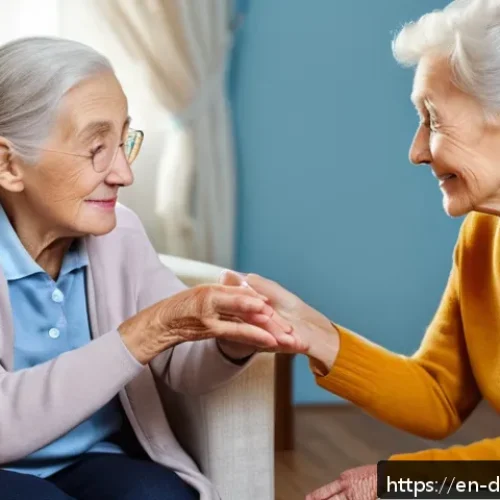
치매관리사 주요 업무와 실무 사례 - **Prompt: Empathy and Connection in Dementia Care**
    A heartwarming indoor scene featuring an eld...

It’s truly a calling to care for someone living with dementia, a role that stretches far beyond simple tasks. I’ve heard countless stories from caregivers, and one thing always rings true: it’s a journey filled with unique emotional and practical challenges, but also immense opportunities for connection and meaningful impact.

As our global population ages, the need for compassionate, skilled dementia care specialists is soaring, transforming this role into one of the most vital professions of our time.

The landscape of dementia care is evolving rapidly, driven by incredible innovations. We’re talking about everything from AI-powered diagnostics and remote monitoring wearables that track vital signs and activity to smart home systems that enhance safety and independence.

These advancements aren’t just buzzwords; they’re genuinely changing how we support individuals, offering new avenues for personalized care and peace of mind for families.

I’ve seen firsthand how adopting the right technology at the right time can truly make a difference, giving people with dementia more autonomy and easing the burden on their loved ones.

But even with all this tech, the human touch remains irreplaceable. Empathy, keen observation, clear communication, and incredible adaptability are still the bedrock of effective care.

Caregivers often face high levels of stress, managing behavioral changes, ensuring safety, and navigating complex daily routines, all while striving to maintain the dignity and quality of life for the person they’re supporting.

It’s a demanding but profoundly rewarding path, where every small victory is a testament to unwavering dedication. The role of a dementia care specialist is multifaceted, encompassing everything from direct person-centered support and managing daily activities to educating families and advocating for individuals within the community.

These professionals are truly at the forefront, equipped with specialized training to handle the unique challenges that come with memory loss, always striving to create environments that foster comfort and security.

It’s about building trusting relationships and understanding that social and psychological aspects are just as crucial as physical care. So, what does it *really* mean to be a dementia care specialist in today’s world, and what practical insights can elevate your approach?

Let’s dive deeper into it below.

The role of a dementia care specialist is so much more than a job; it’s a commitment to walking alongside individuals and their families on a profoundly personal journey.

I’ve often heard people say it’s a calling, and honestly, after years of being involved in this field, I couldn’t agree more. It’s about being a steady hand, a patient ear, and a creative problem-solver, all rolled into one.

The dedication you bring makes an immeasurable difference in someone’s quality of life, and that, to me, is truly inspiring.

Navigating the Shifting Sands of Daily Care

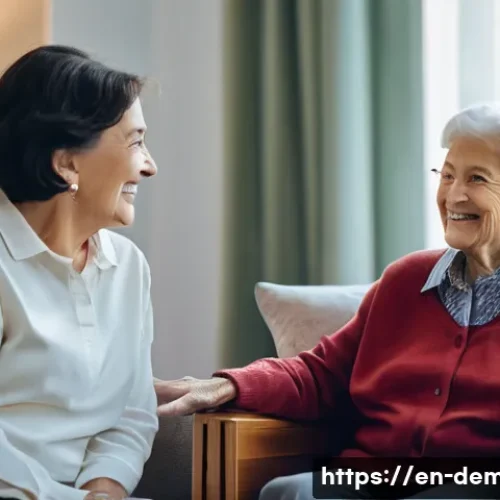
치매관리사 주요 업무와 실무 사례 - **Prompt: Empathy and Connection in Dementia Care**
    A heartwarming indoor scene featuring an eld...

Caring for someone with dementia means embracing a world that changes moment by moment. What worked yesterday might not work today, and that’s a reality you learn to live with and adapt to every single day.

I remember working with a lovely woman named Eleanor who, for weeks, insisted on wearing her gardening hat indoors. While it might seem odd to some, I quickly realized that for her, it brought immense comfort and a connection to her cherished past.

Instead of trying to “correct” her, we simply celebrated her unique style. This is the heart of it – seeing beyond the surface and understanding the underlying need or emotion.

It’s a constant dance of patience, observation, and unconditional acceptance. You quickly learn that focusing on the person, rather than the disease, unlocks doors you never knew were there.

This approach isn’t just about managing tasks; it’s about fostering an environment where dignity and peace can thrive, even when memory fades.

Understanding the Nuances of Behavioral Changes

One of the most challenging, yet crucial, aspects of dementia care is deciphering behavioral changes. It’s like being a detective, looking for clues to understand what someone might be trying to communicate when words fail them.

I’ve seen situations where what looked like “agitation” was actually a person needing to use the restroom, or “resistance to care” was a fear of water temperature during a shower.

It’s never intentional; it’s almost always a form of communication. This requires you to step back, observe the environment, and consider what might be triggering a particular response.

Instead of reacting, we learn to respond with curiosity and empathy, always asking, “What is this person trying to tell me?” It can be exhausting, but when you crack the code and bring comfort, the feeling is incredibly rewarding.

I’ve found that keeping a log of changes, moods, and potential triggers can be a game-changer, helping to spot patterns that might otherwise go unnoticed.

Crafting Personalized Routines for Comfort and Security

Establishing and maintaining personalized routines is like building a safe harbor in a sometimes-stormy sea. For individuals living with dementia, predictability can significantly reduce anxiety and confusion.

I’ve always advocated for creating routines that are not only consistent but also deeply rooted in the individual’s past preferences and habits. Think about their morning rituals before dementia – did they always have coffee while reading the newspaper?

Did they prefer a certain type of music in the afternoon? Integrating these familiar elements can make a world of difference. It’s not about imposing *our* schedule but about gently guiding them through a day that feels familiar and secure to *them*.

This person-centered approach, focusing on individual needs and preferences, truly enhances their quality of life and reduces challenging behaviors. When a routine feels natural, it offers a comforting rhythm to their day, providing a sense of control and reducing feelings of being lost or overwhelmed.

Embracing Innovation: Tech’s Role in Modern Dementia Support

The world of technology is moving at lightning speed, and it’s incredible to see how these advancements are translating into tangible benefits for dementia care.

From smart sensors to AI-powered diagnostics, these innovations aren’t just gadgets; they’re tools that genuinely enhance safety, promote independence, and offer much-needed peace of mind to families.

I’ve seen firsthand how adopting the right technology at the right time can truly make a difference, giving people with dementia more autonomy and easing the burden on their loved ones.

It’s not about replacing the human touch, but rather augmenting it, allowing us to provide even more precise and effective care. For example, knowing that a loved one who tends to wander is being tracked by a discreet GPS device can alleviate a huge amount of caregiver anxiety.

It allows for a balance between independence and safety that was simply unimaginable a decade ago.

Leveraging Wearables and Smart Home Solutions

Wearable devices and smart home technology are transforming daily dementia care. Think about a smartwatch that can detect a fall and automatically alert a caregiver, or a GPS tracker disguised as a stylish pendant that lets you know if a loved one has wandered out of a “safe zone.” These aren’t futuristic fantasies; they’re real-world solutions available today.

I’ve helped families set up smart home systems with automated lights that turn on when someone enters a room, reducing disorientation and the risk of falls at night.

Voice-activated assistants, like Alexa or Google Assistant, can be programmed to provide medication reminders or play a favorite musical artist, making daily tasks simpler and more engaging.

The key is to introduce these tools thoughtfully, ensuring they simplify life without feeling intrusive or overwhelming for the individual. It’s all about making their environment work for them, rather than against them.

The Promise of AI for Early Detection and Monitoring

Artificial intelligence is still in its early stages in dementia care, but its potential is absolutely mind-blowing. Imagine an AI system that analyzes sleep patterns, daily routines, and even linguistic changes to predict a decline in cognitive function or identify triggers for distress before they escalate.

Some apps are already using AI chatbots for reminders and vision AI for navigational support, subtly enhancing independence. While this might sound like something out of a sci-fi movie, the goal is practical: to create personalized care plans that adapt to real-time data, allowing for earlier interventions and a better quality of life.

I believe AI will increasingly help us move from reactive care to proactive support, giving individuals more time to live well and families more tools to understand and assist their loved ones.

The continuous data collection from smart sensors and devices will provide invaluable insights for tailoring care that is truly unique to each person.

Advertisement

Building Bridges of Trust: Communication and Connection

In dementia care, effective communication isn’t just about the words we use; it’s about the connection we forge. I’ve learned that the most profound conversations often happen without a single spoken word, through a gentle touch, a shared smile, or simply by being present.

It’s a powerful reminder that while memory may fade, the capacity for emotion and connection remains vibrantly alive. I remember a gentleman who had largely stopped speaking, but his eyes would light up every time I played his favorite jazz music.

We’d just sit and listen together, and in those moments, we communicated perfectly. Building trust is paramount, especially when someone’s world feels increasingly confusing.

It’s about creating an atmosphere where they feel safe, understood, and genuinely valued as an individual.

Mastering Empathetic Communication Strategies

Empathetic communication is the cornerstone of successful dementia care. It means slowing down, listening more than you speak, and paying keen attention to non-verbal cues – facial expressions, body language, and gestures.

I often tell new caregivers to simplify their language, use short, clear sentences, and offer limited choices to avoid overwhelming someone. Instead of asking open-ended questions like, “What do you want for dinner?”, try, “Would you like chicken or fish?” It’s also vital to never argue or quiz someone, even if what they’re saying isn’t quite accurate.

Their reality is their truth in that moment, and validating their feelings, even if redirecting later, is far more effective. I’ve found that maintaining eye contact, speaking calmly and positively, and sometimes even using gentle touch can make a huge difference in fostering understanding and comfort.

Fostering Engagement Through Meaningful Activities

Engagement is key to maintaining dignity and quality of life for individuals with dementia. It’s about more than just “keeping them busy”; it’s about providing activities that are meaningful and draw upon their past interests, skills, and even their working memory.

I’ve seen incredible transformations when someone is engaged in something they genuinely enjoy. For one lady who was a lifelong artist, simply giving her watercolors and a brush sparked immense joy, even if the final product didn’t resemble anything specific.

For a retired carpenter, providing him with a box of nuts, bolts, and small pieces of wood to tinker with brought a calm focus. These activities don’t have to be complex; they just need to be person-centered.

Reminiscence therapy, using photos, music, or familiar objects, is incredibly powerful for stimulating memories and fostering connections. The goal is to create moments of joy, purpose, and connection, which are invaluable for their emotional well-being.

The Unseen Burdens: Prioritizing Caregiver Well-being

As dementia care specialists, we often focus intensely on the person receiving care, and rightly so. However, it’s easy to overlook the immense physical and emotional toll this work takes on caregivers, both professional and family members.

I’ve learned that you can’t pour from an empty cup. Caregiver burnout is a very real and prevalent issue, and recognizing its signs and actively working to prevent it is just as vital as any direct care task.

We are often the emotional anchor for families, and if our own well-being is neglected, it impacts everyone. It’s a demanding path, but one that absolutely requires a focus on self-preservation to ensure long-term effectiveness and compassion.

I’ve seen too many wonderful caregivers push themselves to the breaking point.

Recognizing and Managing Caregiver Burnout

Caregiver burnout is a state of physical, emotional, and mental exhaustion that is unfortunately common in dementia care. It can manifest as chronic fatigue, irritability, anxiety, feelings of being overwhelmed, or even depression.

I’ve experienced moments myself where I felt completely depleted, and it’s a stark reminder that we are only human. Recognizing these signs early is crucial.

Are you constantly tired? Losing interest in things you once enjoyed? Feeling resentful?

These are red flags. It’s not a sign of weakness; it’s a sign you need support. One of the best pieces of advice I give is to be kind to yourself and understand that you can’t do it all perfectly.

Setting realistic expectations and acknowledging your limits are critical first steps. Don’t bottle up negative emotions; find healthy outlets for them.

Seeking and Utilizing Support Networks

Isolation is a huge contributor to caregiver burnout. That’s why building and actively utilizing a strong support network is non-negotiable. I’ve always encouraged families and professional caregivers to join support groups, whether in-person or online.

Connecting with others who truly understand your experience provides immense emotional validation and practical advice. Respite care, even for a few hours, is not a luxury; it’s an absolute necessity.

Whether it’s an adult day program, in-home respite, or arranging for family or friends to take shifts, taking regular breaks allows you to rest and recharge.

Don’t be afraid to ask for help, or to delegate tasks. Remember, prioritizing your physical and emotional well-being—through healthy eating, exercise, sufficient sleep, and even mindfulness—isn’t selfish; it’s essential for providing the best care possible.

Aspect of Care Key Considerations for Dementia Specialists
Communication Simplify language, use visual cues, validate feelings, avoid arguing. Create a calm, distraction-free environment. Maintain positive body language.
Daily Routines Establish consistent schedules based on past habits. Offer limited choices. Adapt routines flexibly based on mood and ability.
Behavioral Management Identify triggers through observation. Respond with empathy and redirection, not confrontation. Address unmet needs (pain, hunger, boredom).
Safety & Environment Implement smart home tech (lighting, security). Use wearables for tracking. Remove hazards, ensure familiarity and ease of navigation.
Engagement Provide person-centered activities tailored to interests and past skills. Utilize reminiscence therapy. Focus on joy and connection over completion.
Caregiver Support Encourage self-care and stress management. Promote seeking support groups and respite care. Recognize and address burnout symptoms early.
Advertisement

Beyond the Basics: Specialized Training and Skill Development

치매관리사 주요 업무와 실무 사례 - **Prompt: Empowering Independence with Smart Technology in Dementia Care**
    An older gentleman, a...

To truly excel as a dementia care specialist in today’s complex environment, simply having a caring heart isn’t enough – though it’s certainly the foundation!

The field is constantly evolving with new research, technologies, and best practices. I’ve always been a huge advocate for continuous learning because what we know about the brain and how it’s affected by dementia is always expanding.

Investing in specialized training isn’t just about collecting certifications; it’s about sharpening your skills, deepening your understanding, and ultimately, providing the most compassionate and effective care possible.

It empowers you to handle challenging situations with confidence and to advocate for the best outcomes for those you support.

Deep Diving into Dementia-Specific Care Techniques

There’s a vast world of dementia-specific care techniques that go far beyond general elder care. This includes understanding different types of dementia, their unique progressions, and how to apply person-centered care models effectively.

Training in areas like crisis de-escalation, managing aggressive behaviors, and promoting emotional well-being is vital. I recall a specific training on the “Allen Cognitive Levels” that completely changed how I approached engagement, helping me tailor activities to an individual’s actual cognitive capacity rather than my assumptions.

It’s about learning nuanced approaches, such as how to create a calming environment, support nutritional needs, and assist with personal care in a way that preserves dignity.

These specialized skills are what elevate good care to truly exceptional, transformative care. Certifications like the Certified Dementia Practitioner (CDP) really demonstrate a commitment to this level of expertise.

Continuous Learning: Staying Ahead of the Curve

The landscape of dementia care isn’t static; it’s dynamic. New research emerges, technology advances, and our understanding of the human brain deepens.

That’s why continuous learning isn’t just a recommendation; it’s a necessity. I make it a point to regularly attend webinars, read new studies, and participate in workshops.

For instance, staying updated on the latest AI applications or new wearable devices can directly impact the quality and efficiency of care I can help facilitate.

Organizations like the Alzheimer’s Association and the National Council of Certified Dementia Practitioners (NCCDP) offer fantastic resources and certifications that help you stay at the forefront.

It’s about building a foundation of knowledge and then layering on new information, always seeking to refine your approach and adapt to the evolving needs of those living with dementia.

This commitment to growth is what truly defines a specialist in this field.

Financial Planning and Resource Navigation for Families

One aspect of dementia care that often catches families off guard is the immense financial burden. Beyond the emotional toll, the costs of long-term care, specialized services, and even everyday assistance can be staggering.

I’ve seen families struggle not just with the care itself, but with navigating the confusing maze of insurance, government benefits, and legal planning.

As a specialist, part of our role extends to helping families understand what resources are available and how to plan effectively. It’s not about being a financial advisor, but rather being a knowledgeable guide who can point them towards the right professionals and information.

Early planning can protect assets and ensure a loved one’s wishes are respected.

Understanding Insurance and Government Aid

Many families don’t realize the range of financial support that might be available to them. This can include understanding how Medicare, Medicaid, or private long-term care insurance policies work, and what they cover.

In the UK, for example, individuals with dementia may be entitled to benefits like Attendance Allowance or Personal Independence Payment, and caregivers can apply for Carer’s Allowance.

I always emphasize the importance of looking into these options early, as the application processes can be lengthy and complex. I’ve often directed families to organizations like the Alzheimer’s Society or Dementia UK, which provide excellent guidance on financial and legal support.

Knowing what’s available can significantly reduce stress and allow families to focus more on providing loving care rather than constant financial worry.

Exploring Legal and Estate Planning Essentials

Legal planning is another critical, yet often delayed, step for families dealing with a dementia diagnosis. Establishing a Lasting Power of Attorney (LPA) or similar legal documents while the individual still has mental capacity is incredibly important.

Without it, managing finances, healthcare decisions, and other affairs can become a prolonged and stressful legal battle. I encourage families to consult with financial planners and elder law attorneys who specialize in dementia to simplify finances, create a plan for future care costs, and update wills.

These professionals can help consolidate accounts, set up direct debits for bills, or explore options like “chip and signature” cards to make daily financial management easier for the person with dementia.

Proactive legal and financial planning isn’t just about protecting assets; it’s about preserving dignity and ensuring the individual’s wishes are honored throughout their journey.

Advertisement

Advocacy and Community Engagement: A Broader Impact

Our work as dementia care specialists doesn’t stop at the individual and their family; it extends into the broader community. I genuinely believe we have a responsibility to be advocates, to raise awareness, and to help create a more dementia-friendly world.

I’ve seen the stigma and misunderstanding that still surrounds dementia, and part of our role is to chip away at that, one conversation at a time. When we engage with communities, whether through educational initiatives or by supporting local organizations, we amplify our impact far beyond the walls of a home or care facility.

It’s about creating a societal shift where people living with dementia are not just cared for, but are truly included and valued.

Becoming a Voice for Those Who Cannot Speak

As a dementia care specialist, I often find myself speaking on behalf of those who can no longer articulate their needs or wishes. This means advocating for their rights, ensuring their dignity is maintained, and making sure their unique personhood is always recognized, not just their diagnosis.

This can involve communicating effectively with healthcare providers to ensure person-centered care plans are followed, or even working with policymakers to improve services and support systems.

I’ve also found immense power in sharing personal stories – with appropriate consent, of course – to educate others and humanize the experience of living with dementia.

Our insights from the front lines are invaluable in shaping a more compassionate and understanding society.

Connecting with Local and National Dementia Organizations

Getting involved with dementia advocacy organizations, both locally and nationally, is a fantastic way to extend your impact. Groups like the Alzheimer’s Association or Dementia UK are doing incredible work in research, support, and policy change.

I’ve volunteered for local events, participated in awareness campaigns, and often direct families to their resources. These organizations offer a platform to connect with other passionate individuals, share best practices, and contribute to larger initiatives like creating “dementia-friendly communities” that foster understanding and engagement.

It’s inspiring to see how grassroots efforts can build into national movements, truly transforming the landscape of dementia care and creating a more inclusive world for everyone affected by this condition.

Concluding Thoughts

It’s truly been a privilege to share some insights from my journey in dementia care. As you can see, this field is so much more than clinical tasks; it’s about connecting with people on a deeply human level, celebrating their unique stories, and finding joy in the small victories every single day.

The commitment we bring, whether as specialists or family caregivers, crafts a world of dignity and understanding for those navigating the complexities of dementia.

Remember, every moment of care is an opportunity to make an immeasurable difference, enriching lives and fostering a sense of belonging. It’s a challenging path, but one that is incredibly rewarding and profoundly shapes who we are.

Advertisement

Useful Information to Know

1. Early diagnosis and proactive planning are absolute game-changers in dementia care. Getting a professional assessment as soon as cognitive changes are noticed allows for earlier interventions, better access to support services, and more time to make critical financial and legal decisions while the individual can still participate. It reduces future stress and helps ensure their wishes are honored, setting the stage for a more structured and supportive care journey. Don’t wait; early action can significantly improve the quality of life for everyone involved.

2. Crafting personalized daily routines is like building a comforting shield against confusion and anxiety. For someone with dementia, predictability offers immense security. Tailor schedules around their past habits and preferences, integrating familiar elements like specific breakfast foods, preferred music, or cherished activities. It’s not about imposing a rigid timetable, but about creating a gentle, consistent rhythm that minimizes disorientation and promotes a sense of calm. This person-centered approach truly helps maintain dignity and reduces challenging behaviors.

3. Mastering empathetic communication is the bedrock of effective dementia care. Words often fail, so learning to interpret non-verbal cues – a frown, a gesture, a shift in body language – becomes vital. Speak slowly, use simple sentences, and offer limited choices to prevent overwhelm. Most importantly, validate feelings over facts. Their reality, in that moment, is their truth. A gentle touch, consistent eye contact, and a calm, positive tone can bridge gaps that words alone cannot, fostering trust and connection.

4. Caregiver well-being isn’t a luxury; it’s an absolute necessity. The emotional and physical toll of dementia care is immense, and burnout is a serious risk. Prioritizing self-care – through healthy eating, exercise, sufficient sleep, and emotional outlets – ensures you can continue to provide the best possible care. Actively seek and utilize support networks, whether it’s local support groups, online communities, or respite care. You can’t pour from an empty cup, and taking breaks is crucial for your long-term effectiveness and compassion.

5. Thoughtfully leveraging technology can revolutionize daily dementia support. From smart home sensors that prevent falls and assist with daily tasks to discreet GPS trackers for safety and wearables that monitor vital signs, innovation offers incredible peace of mind. Voice-activated assistants can provide reminders and entertainment, subtly enhancing independence. The key is to introduce these tools gently, ensuring they simplify life without feeling intrusive, augmenting human care rather than replacing it. Always consider the individual’s comfort and adapt technology to their needs.

Key Takeaways

Being a dementia care specialist is a deeply personal and constantly evolving commitment. It demands not just a compassionate heart, but also a sharp mind, an adaptable spirit, and an unwavering dedication to continuous learning. We’ve explored the art of navigating daily changes with patience and empathy, the critical skill of deciphering behavioral shifts, and the profound impact of crafting personalized routines. Moreover, we’ve delved into the exciting potential of technology, from smart home solutions to AI-driven diagnostics, all aimed at enhancing safety and independence. Beyond the direct care, our role extends to building bridges of trust through empathetic communication and fostering engagement with meaningful activities. We also touched upon the often-overlooked but crucial aspect of prioritizing caregiver well-being, recognizing burnout, and advocating for robust support networks. Finally, we emphasized the importance of specialized training, continuous learning, and active community advocacy to create a more dementia-friendly world. Every piece of this intricate puzzle contributes to making a genuine difference in the lives of individuals with dementia and their families, ensuring they feel valued, understood, and truly connected.

Frequently Asked Questions (FAQ) 📖

Q: What does a dementia care specialist actually do on a day-to-day basis to support individuals?

A: Oh, this is such a common and important question! From my experience, a dementia care specialist wears many hats, and it’s far more than just helping with daily tasks.
We’re truly focused on a person-centered approach, which means tailoring everything to the individual’s unique history, preferences, and needs. A typical day often involves direct support with daily activities like dressing or meal preparation, always encouraging as much independence as possible.
But it goes deeper. We’re constantly observing for changes in behavior or mood, which can be subtle but tell us a lot about what someone might be feeling or needing.
This also includes engaging individuals in meaningful activities, like memory games, music therapy, or even simple crafts that can spark joy and cognitive stimulation.
I’ve seen firsthand how a favorite song or a familiar activity can light up someone’s eyes, even when words are scarce. We also work closely with families, offering education and guidance to help them navigate the complexities of dementia and create a supportive environment.
It’s about building trust and ensuring dignity in every interaction. So, while we might be assisting with personal care, we’re simultaneously acting as advocates, educators, and companions, always striving to enhance their quality of life.

Q: How are new technologies really making a difference in dementia care today?

A: It’s incredible to see how technology is evolving and genuinely changing the landscape of dementia care. When I first started, many of these tools felt like science fiction, but now they’re becoming indispensable.
For individuals living with dementia, we’re seeing everything from smart home systems that enhance safety and independence to remote monitoring wearables.
Think about it: sensors can detect if someone is wandering or has had a fall, immediately alerting caregivers and offering incredible peace of mind to families.
I’ve personally used voice-activated assistants to set medication reminders, play comforting music, or even provide simple answers to repetitive questions, which can reduce frustration for both the individual and their care partner.
These advancements aren’t just about gadgetry; they’re about offering new avenues for personalized care, increasing safety, and promoting a sense of autonomy for those with dementia, allowing them to maintain their dignity and independence for longer in their own homes.
It’s truly a game-changer!

Q: What are the most crucial personal qualities someone needs to thrive as a dementia care specialist?

A: This is a question close to my heart because while training is essential, certain personal qualities truly make a specialist shine. If you ask me, empathy is paramount.
You need to be able to genuinely put yourself in their shoes, understanding their confusion, frustration, or fear without judgment. Closely tied to that is immense patience.
People with dementia might ask the same question repeatedly or take longer to complete simple tasks, and maintaining a calm, reassuring demeanor is crucial.
I’ve found that keen observation skills are also non-negotiable; noticing subtle changes in body language or behavior can tell you more than words ever could.
And finally, strong communication and adaptability. You need to be able to communicate clearly and simply, using a reassuring tone, and be ready to adapt your approach on the fly.
It’s about more than just tasks; it’s about building a trusting relationship, ensuring comfort and security, and upholding their dignity in every moment, even the challenging ones.
It’s a demanding path, but profoundly rewarding when you connect with someone on that human level.

Advertisement