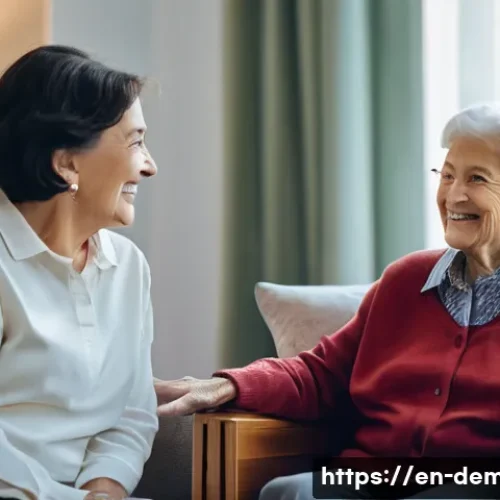
Dementia Caregiver Counseling Breakthrough Strategies from Real Cases

webmaster

치매관리사 대상자 상담 사례 - **Prompt 1: Seeking Professional Support for Caregiver Burnout**
    "A mid-40s female caregiver, wi...

Caring for a loved one with dementia is an incredibly demanding journey, one that often leaves caregivers feeling isolated, overwhelmed, and unsure where to turn.

I’ve personally seen the immense emotional and physical toll it can take, and it’s a topic incredibly close to my heart. We all want to do our best for those we cherish, but sometimes, the weight of responsibility can feel unbearable, leading to burnout and even affecting our own health.

It’s not just about managing daily tasks; it’s about navigating complex emotions, challenging behaviors, and a constantly changing landscape. Many caregivers struggle in silence, feeling guilty about their own needs or even just admitting they’re struggling.

That’s precisely why understanding and utilizing caregiver counseling isn’t just an option, it’s a lifeline. It’s about finding a safe space to process, to learn coping strategies, and to feel truly supported.

In this ever-evolving world of care, finding the right resources and understanding common scenarios can make all the difference. Let’s dive in deeper below and truly understand how to empower ourselves and our loved ones through effective dementia caregiver counseling cases.

Finding Your Anchor in the Storm: When to Seek Professional Support

치매관리사 대상자 상담 사례 - **Prompt 1: Seeking Professional Support for Caregiver Burnout**
    "A mid-40s female caregiver, wi...

Caring for someone with dementia can feel like you’re constantly sailing through choppy waters, often without a clear map. There are days filled with moments of connection and love, but then there are the incredibly tough ones where you question everything, feel utterly drained, and wonder if you’re doing enough – or if you’re even doing it right.

I’ve been there, witnessing firsthand the toll it takes, and believe me, those feelings of isolation and overwhelming responsibility are incredibly common.

It’s not a sign of weakness to feel that way; it’s a sign that you’re human and carrying an immense burden. When you’re caught in this emotional vortex, trying to manage challenging behaviors, personal sacrifices, and the relentless progression of the disease, it’s easy to lose sight of your own well-being.

This is precisely when stepping back and realizing the value of professional caregiver counseling becomes paramount. It’s about finding a safe harbor, a place where you can voice your fears, frustrations, and even your guilt without judgment.

A counselor can help you untangle complex emotions, provide validation for your experiences, and offer practical strategies to navigate the day-to-day challenges.

It’s an opportunity to process the grief that comes with seeing a loved one change, to learn new communication techniques, and most importantly, to rediscover your strength and resilience.

Don’t wait until you’re completely burnt out; recognizing these signs early can make all the difference for both you and the person you’re caring for.

Recognizing the Early Warning Signs of Caregiver Burnout

It’s easy to dismiss persistent fatigue or increased irritability as just “part of the job” when you’re a dementia caregiver. However, from personal experience, I can tell you these are often red flags signaling deeper issues.

Maybe you’re finding it harder to sleep, even when you have a quiet moment, or you’re losing interest in activities you once loved. Perhaps you’ve noticed a shift in your patience levels, snapping at minor inconveniences, or feeling a sense of dread about the day ahead.

For me, it was the constant feeling of being on edge, coupled with a pervasive sense of sadness, that finally made me realize I needed help. These aren’t just minor inconveniences; they’re your body and mind screaming for support.

Ignoring them only leads to a downward spiral, affecting not just your health, but also the quality of care you can provide. It’s vital to tune into these subtle shifts and acknowledge that they’re legitimate reasons to seek external support, not just something to “power through.”

Understanding the Unique Benefits of Specialized Dementia Caregiver Counseling

General therapy is great, but specialized dementia caregiver counseling offers something truly unique. A counselor who understands the nuances of dementia – the disease progression, the specific cognitive challenges, and the behavioral changes – can offer incredibly targeted support.

They aren’t just listening; they’re listening with an informed ear, offering insights that only come from expertise in this particular field. They can help you decode baffling behaviors, offering strategies that are genuinely effective because they’re rooted in an understanding of the condition.

For instance, I once struggled immensely with a loved one’s sundowning, and a specialized counselor helped me adjust their environment and routine in ways I never would have thought of, significantly reducing everyone’s stress.

This kind of specialized guidance extends beyond just coping mechanisms; it also includes anticipatory grief counseling, helping you navigate the emotional landscape of loss that unfolds long before physical passing.

It’s about being understood on a profound level by someone who truly gets the specific battles you’re fighting.

Mastering Communication and Behavior Management: Practical Strategies for Daily Life

One of the toughest parts of caring for someone with dementia is the way communication changes, almost morphing into a completely different language. What once worked beautifully now feels like talking to a brick wall, or worse, leads to misunderstandings and frustration for everyone involved.

I’ve personally experienced moments where I felt like I was failing to connect, leading to arguments or distress for my loved one. It’s disheartening, and it can make you feel incredibly alone in your efforts.

However, through caregiver counseling, I’ve learned that it’s not about forcing the old ways of communicating, but about adapting and learning new, more effective approaches.

These aren’t just theoretical concepts; they’re practical, real-world tools that can dramatically improve daily interactions. Beyond communication, managing challenging behaviors – from repetitive questioning to agitation – can push even the most patient caregiver to their limit.

These behaviors aren’t intentional malice; they’re often expressions of unmet needs, confusion, or fear. Understanding the root cause and having a toolkit of responses can turn a potentially explosive situation into a manageable one, creating a calmer environment for both the caregiver and the person with dementia.

It truly makes a world of difference to have these strategies readily available, allowing you to respond with empathy rather than frustration.

Decoding Non-Verbal Cues and Adapting Your Communication Style

When verbal communication becomes unreliable, the ability to read non-verbal cues becomes an invaluable superpower. Your loved one might not be able to articulate their hunger, pain, or discomfort, but their body language, facial expressions, and even subtle sounds can tell you a lot.

I remember one instance where my loved one kept tugging at their shirt, and I initially thought they were agitated. Through counseling, I learned to pause, observe more closely, and realized they were simply too warm.

Adjusting their clothing immediately brought calm. It’s about slowing down, being present, and looking beyond the words that are no longer there. Counselors can teach you techniques like mirroring, using simple sentences, and offering limited choices, all of which help reduce confusion and foster a sense of security.

It’s a journey of continuous learning, but these adaptive communication strategies can transform difficult interactions into moments of understanding and connection.

Effective Approaches to De-escalate Challenging Behaviors

Challenging behaviors, whether it’s wandering, paranoia, or aggressive outbursts, are arguably the most stressful aspects of dementia care. My personal experience with a loved one’s increasing agitation during certain times of the day was incredibly draining.

It felt like walking on eggshells, constantly anticipating the next difficult moment. Counseling provided concrete strategies: creating a predictable routine, identifying triggers (like loud noises or busy environments), and offering redirection techniques.

Sometimes, it’s as simple as gently changing the topic or offering a comforting object. Other times, it requires a more structured approach, like creating a “safe space” for pacing.

The key is to remember that these behaviors are symptoms, not deliberate acts. A skilled counselor can help you analyze patterns, understand the underlying needs, and equip you with empathetic responses that can de-escalate situations and restore a sense of calm, for both of you.

Advertisement

Building a Robust Support Network: You Are Not Alone

It’s easy to feel like you’re the only one going through this, especially when the demands of caregiving isolate you from friends and wider family. I’ve definitely felt that heavy cloak of loneliness, believing that no one could possibly understand the unique challenges I was facing.

But here’s the truth: you are absolutely not alone. There are countless individuals walking a similar path, and reaching out to build a robust support network is not just helpful, it’s essential for your long-term well-being and the quality of care you can provide.

A strong support system doesn’t just mean having people to vent to; it means having a diversified team of individuals and resources that can offer emotional solace, practical assistance, and expert advice.

This network acts as a crucial buffer against the stresses of caregiving, providing different layers of understanding and relief. It can be a mix of family members, friends, support groups, community organizations, and professional services.

Cultivating these connections takes effort, especially when you’re already exhausted, but the return on investment in terms of reduced stress and increased resilience is immeasurable.

Remember, accepting help and actively seeking out connections is a sign of strength, not a weakness.

Navigating Family Dynamics and External Support Systems

Family dynamics can be incredibly complex even without the added layer of dementia. Add in the stress of caregiving, and old resentments or unspoken expectations can quickly surface, making an already tough situation even harder.

I’ve seen how crucial it is to address these issues head-on, sometimes with the help of a family counselor. It’s about setting clear boundaries, delegating tasks fairly, and ensuring everyone feels heard.

Beyond immediate family, exploring external support systems is a game-changer. This could include local Area Agencies on Aging, dementia-specific organizations like the Alzheimer’s Association, or even online forums where you can connect with others who truly understand.

These resources offer a wealth of information, from respite care options to legal advice, and sometimes, just knowing there’s a community out there can provide immense comfort.

It’s not about doing it all yourself; it’s about strategically leveraging every available resource.

The Power of Caregiver Support Groups and Peer Connections

If there’s one thing I’ve learned from my own journey, it’s the profound impact of connecting with other caregivers. There’s a unique bond that forms when you sit in a room (or a virtual meeting) with people who instantly “get it” – the frustrations, the heartbreaks, the small victories, and the unspoken grief.

I was hesitant to join a support group at first, feeling like I didn’t have the energy, but it quickly became a lifeline. Hearing someone else share an experience that mirrored mine, or receiving practical advice from someone who had successfully navigated a similar challenge, was incredibly validating and empowering.

These groups offer a judgment-free space to share, cry, laugh, and learn. They can be a source of incredible strength, reminding you that your feelings are valid and that you’re part of a community that understands the depth of your experience.

Prioritizing Self-Care: Why Your Well-being Isn’t Optional

I used to think that prioritizing my own needs was selfish, especially when my loved one depended on me so completely. There’s this ingrained belief that as a caregiver, you must sacrifice everything for the person you’re looking after.

But I can tell you, from a place of deep personal understanding, that this mindset is a dangerous myth. Neglecting your own physical and mental health is not noble; it’s a fast track to burnout, resentment, and ultimately, an inability to provide quality care.

Think of it like being on an airplane: you’re always instructed to put on your own oxygen mask before assisting others. Why? Because if you’re incapacitated, you can’t help anyone.

The same principle applies here. Your well-being is not a luxury; it’s a fundamental necessity for sustainable caregiving. Learning to integrate self-care into your routine, even in small ways, is one of the most powerful lessons a caregiver counselor can impart.

It’s about refueling your own tank so you can continue to give from a place of strength and compassion, rather than depletion and exhaustion.

Integrating Respite Care and Breaks into Your Routine

The word “respite” often conjures images of long, expensive vacations, which can feel impossible for many caregivers. However, respite care doesn’t have to be a grand gesture.

It can be something as simple as arranging for a trusted friend or family member to sit with your loved one for an hour so you can run an errand alone, enjoy a quiet cup of coffee, or just breathe.

I’ve personally found immense value in even these brief moments of “alone time.” Formal respite services, like adult day programs or in-home care, can also provide invaluable relief, offering structured activities for your loved one while you get a much-needed break.

A counselor can help you explore local options, navigate funding, and overcome the guilt often associated with seeking respite. Remember, these breaks aren’t about abandoning your responsibilities; they’re about recharging your capacity to meet them.

Developing Personal Coping Mechanisms and Stress Reduction Techniques

Beyond physical breaks, developing a repertoire of personal coping mechanisms is vital. What helps you unwind? Is it listening to music, reading a book, practicing mindfulness, or engaging in a hobby for a few minutes each day?

For me, a short, brisk walk outdoors and a few minutes of quiet meditation became non-negotiable parts of my day. These aren’t just feel-good activities; they’re essential tools for managing the chronic stress of caregiving.

A caregiver counselor can help you identify what truly works for you and guide you in integrating these practices into your busy schedule. They can also introduce you to techniques like deep breathing exercises, progressive muscle relaxation, or journaling, which can be incredibly effective in moments of high stress.

The goal is to build resilience, giving you the inner strength to navigate the challenging moments with greater calm and clarity.

Advertisement

Planning for the Future: Legal, Financial, and Long-Term Considerations

치매관리사 대상자 상담 사례 - **Prompt 2: Empathetic Communication in Dementia Care**
    "An elderly man with dementia, dressed i...

One of the most anxiety-inducing aspects of dementia care is the uncertainty of the future. The progressive nature of the disease means that needs will change, and often dramatically, over time.

It’s a topic that many caregivers shy away from, feeling overwhelmed or even fearful of what lies ahead. I completely understand that hesitation; thinking about long-term care, financial implications, and legal decisions can feel like a heavy burden on top of daily caregiving.

However, from my experience, addressing these future considerations proactively, rather than reactively, can bring an immense sense of peace and control.

Having these conversations and putting plans in place, ideally with the guidance of professionals, can prevent crises down the line and ensure that your loved one’s wishes are respected.

It’s about building a robust framework that can support everyone involved as the journey progresses, removing some of the immense pressure from your shoulders.

It doesn’t make the future less challenging, but it makes it more navigable.

Understanding Financial Planning and Available Resources

The financial strain of dementia care can be staggering, quickly depleting savings and creating significant stress. From in-home care to assisted living facilities, the costs can escalate rapidly.

This is where professional guidance becomes indispensable. A financial advisor specializing in elder care, or even a social worker at a local agency, can help you explore options like long-term care insurance, Medicaid, Veterans Affairs benefits, and other government programs.

I’ve learned that there are often resources available that caregivers simply don’t know about, and uncovering these can make a huge difference. Don’t assume you have to bear the entire financial burden alone.

Proactive planning allows you to understand the potential costs, explore funding avenues, and make informed decisions that can protect your family’s financial stability.

Navigating Legal Documents and Healthcare Directives

Legal paperwork might seem daunting, but establishing crucial documents like a Durable Power of Attorney for Finances and Healthcare, a Living Will, and a Will or Trust is absolutely critical.

These documents ensure that decisions about your loved one’s care, finances, and estate can be made smoothly and in accordance with their wishes, even when they can no longer communicate them.

I’ve witnessed firsthand the chaos and heartache that can ensue when these documents aren’t in place, adding immense stress during an already difficult time.

A caregiving counselor can often provide referrals to elder law attorneys who specialize in these areas. It’s about protecting your loved one’s autonomy and providing clear guidance for those who will be making decisions on their behalf, offering a roadmap for future care.

Aspect of Caregiving Common Challenges Faced How Counseling Can Help
Emotional Well-being Guilt, grief, resentment, isolation, depression, anxiety Provides a safe space to process emotions, validates feelings, teaches coping strategies, reduces feelings of isolation.
Communication & Behavior Misunderstandings, frustration, anger, managing agitation, aggression, wandering Offers techniques for effective communication, helps identify triggers, provides strategies for de-escalation, improves interaction quality.
Self-Care & Burnout Physical exhaustion, mental fatigue, neglecting personal needs, chronic stress Emphasizes importance of self-care, identifies personal coping mechanisms, helps integrate respite care, prevents burnout.
Support Systems Family conflicts, feeling alone, lack of practical help, limited resources Facilitates family communication, connects caregivers to local support groups and community resources, builds a diversified network.
Future Planning Financial strain, legal complexities, long-term care decisions, end-of-life planning Guides through financial aid options, clarifies legal documents, helps navigate long-term care choices, reduces future anxiety.

Embracing Technology and Innovation: Tools for Smarter Caregiving

In this digital age, it would be a missed opportunity not to explore how technology can lighten the load of dementia caregiving. When I first started on this journey, I was focused solely on the hands-on aspects, but I quickly realized that smart tools and innovative solutions could make a significant difference, not just for my loved one, but for my own peace of mind.

It’s not about replacing human connection, but about augmenting it, making daily tasks more manageable, and enhancing safety. From simple apps to more complex monitoring systems, the landscape of assistive technology is constantly evolving, offering caregivers new avenues for support.

Exploring these options can feel overwhelming at first, but with a bit of guidance, you can identify tools that genuinely meet your specific needs and integrate them seamlessly into your care plan.

It’s about working smarter, not just harder, and leveraging every available resource to create a safer, more connected, and less stressful caregiving environment.

Utilizing Smart Devices and Apps for Enhanced Safety and Connection

The market is brimming with smart devices and apps designed with caregivers in mind. Things like GPS trackers can offer immense peace of mind, especially if wandering is a concern.

I’ve heard countless stories, and experienced some myself, where a small tracking device prevented a potential crisis. Beyond safety, there are memory-aid apps that can help with daily routines, medication reminders, or even simple games to stimulate cognitive function.

Smart home devices, like voice-activated assistants, can also be incredibly helpful, allowing your loved one to control lights or play music with simple commands, fostering a sense of independence.

A caregiver counselor can help you sift through the myriad of options and identify practical, user-friendly technologies that truly enhance daily life without adding unnecessary complexity or cost.

It’s about finding the right fit for your unique situation.

Exploring Telehealth and Virtual Counseling Options

For caregivers living in rural areas, or simply those whose schedules make in-person appointments nearly impossible, telehealth and virtual counseling have been absolute game-changers.

The ability to connect with a specialized counselor from the comfort of your own home, without the added stress of arranging childcare or transportation for your loved one, is invaluable.

I’ve personally utilized virtual sessions, and they offered the same depth of connection and support as in-person meetings, but with unparalleled flexibility.

These platforms offer a convenient and accessible way to receive expert guidance, participate in support groups, and learn new strategies, ensuring that geographical distance or time constraints don’t become barriers to receiving the help you need.

It expands the reach of quality caregiving support, ensuring that more people can access crucial resources.

Advertisement

Maintaining Personal Identity and Relationships Beyond Caregiving

When you become a caregiver, especially for someone with dementia, it’s incredibly easy to lose yourself in the role. Your identity can shrink until “caregiver” feels like the only title you hold.

I know this feeling all too well – that gradual erosion of hobbies, friendships, and even your sense of who you are outside of your caregiving responsibilities.

But here’s a crucial truth: maintaining your personal identity, nurturing existing relationships, and even fostering new ones isn’t selfish; it’s vital for your mental health and overall well-being.

It helps prevent burnout, offers essential emotional outlets, and reminds you that you are still a multifaceted individual with needs, interests, and a life beyond care.

Caregiver counseling often includes exploring ways to reclaim parts of your identity and re-engage with the world outside of your caregiving bubble. It’s about remembering that the person you were before caregiving still exists and deserves attention and nourishment.

Reclaiming Hobbies and Interests: Nurturing Your Inner Self

It might seem impossible to carve out time for hobbies when your schedule is packed, but even small, consistent efforts can make a huge difference. Did you love to paint, read, garden, or listen to music?

Try to reintegrate these activities, even if it’s just for 15 minutes a day. I found that even a short burst of an old hobby, like sketching, could significantly lift my spirits and remind me of who I was before caregiving consumed so much of my time.

It’s not about achieving perfection or dedicating hours; it’s about touching base with those parts of yourself that bring joy and a sense of personal accomplishment.

A counselor can help you strategize how to find these pockets of time and give you permission to prioritize them without guilt, emphasizing that these moments are investments in your overall well-being.

Strengthening and Nurturing Other Key Relationships

The intensity of dementia caregiving can strain even the strongest relationships – with your spouse, children, siblings, or friends. It’s easy for these connections to wither under the constant pressure and lack of available time.

However, these relationships are often your strongest lifelines to the outside world and a crucial source of emotional support. Making a conscious effort to nurture them, even with brief check-ins or shared moments, is incredibly important.

This might mean scheduling a regular (even if short) phone call with a friend, planning a weekly dinner date with your spouse (if feasible, even at home), or openly communicating your challenges to your children.

A counselor can help you identify which relationships need attention and offer strategies for maintaining connection amidst the demands of caregiving, ensuring you don’t lose sight of the vital support systems that extend beyond your primary caregiving role.

글을 마치며

Dementia caregiving is undeniably one of life’s most challenging journeys, a testament to enduring love and resilience. It’s a path filled with unpredictable twists and turns, moments of profound connection, and also deep despair. Remember, you are not expected to navigate this labyrinth alone. Reaching out for professional support, embracing community, and fiercely guarding your own well-being aren’t luxuries; they are fundamental necessities that empower you to continue giving from a place of strength, not exhaustion. Finding your anchor, whether it’s through counseling, a support group, or simply a moment of self-care, ensures that both you and your loved one can weather the storm with greater peace and dignity. You are doing an incredible job, and seeking help is simply another way of showing up fully for this profound experience.

Advertisement

알아두면 쓸모 있는 정보

1. Seek Specialized Dementia Counseling: General therapy is good, but counselors with expertise in dementia understand the unique challenges you face, offering tailored strategies for communication, behavior management, and grief processing. They truly ‘get it’ in a way others might not.

2. Tap into Local and Online Support Groups: Connecting with other caregivers creates an invaluable sense of community and validation. Sharing experiences and tips with peers who are on a similar journey can significantly reduce feelings of isolation and provide practical advice.

3. Prioritize Respite Care and Personal Breaks: Even short breaks are crucial for preventing burnout. Arrange for trusted friends, family, or professional respite services to allow yourself time to recharge, pursue hobbies, or simply rest. Your well-being is not negotiable.

4. Explore Legal and Financial Planning Early: Don’t wait for a crisis. Consult with elder law attorneys and financial advisors to establish durable powers of attorney, healthcare directives, and explore options for long-term care funding. Proactive planning brings immense peace of mind.

5. Leverage Assistive Technology: From GPS trackers for safety to memory-aid apps and smart home devices, technology can significantly ease the caregiving burden. Research and integrate tools that enhance your loved one’s safety and independence, and simplify daily routines.

중요 사항 정리

Being a dementia caregiver demands an extraordinary amount of physical, emotional, and mental fortitude. It’s imperative to remember that your well-being is not secondary; it’s the foundation upon which effective and compassionate care is built. Never hesitate to seek professional support, as specialized counseling can provide invaluable tools, strategies, and emotional validation to navigate the complex landscape of dementia. Building a robust support network, both personal and professional, is crucial to mitigate isolation and share the burden. Lastly, proactive planning for future legal and financial needs, alongside embracing available technology, can significantly reduce stress and provide a clearer path forward. Embrace self-compassion, for you are doing one of the hardest jobs in the world.

Frequently Asked Questions (FAQ) 📖

Q: I feel so guilty about needing help. Is caregiver counseling really for me, or am I just not strong enough to handle things on my own?

A: Oh, my dear friend, I hear you, and please, let’s get one thing straight: feeling like you need support isn’t a sign of weakness; it’s a profound sign of strength and self-awareness.
I’ve been there, truly. There were days I felt like I was drowning, and the thought of admitting I couldn’t do it all, perfectly, by myself, felt like a personal failure.
But you know what? That’s the insidious trap of caregiving. We’re often told to be strong, to push through, but nobody tells us that asking for a helping hand is part of that strength.
Caregiver counseling isn’t about fixing you because you’re broken; it’s about giving you a safe space to breathe, to process the overwhelming emotions—the grief, the frustration, the love, the fear—that come with caring for someone you cherish who is facing dementia.
It’s about preventing burnout, which is a very real, very dangerous outcome if you try to go it alone. Think of it less as therapy for a problem, and more like a vital support system, a regular check-in to make sure your own cup isn’t completely empty.
You are absolutely strong enough, and part of that strength is knowing when and how to nurture yourself so you can continue to give.

Q: What actually happens in caregiver counseling? I’m picturing a stuffy room and endless therapy sessions, and honestly, I don’t have the energy for that.

A: I totally get that image, and let me tell you, modern caregiver counseling is usually far from that! When I first explored it, I was worried it would be this heavy, prescriptive thing, but my experience was wonderfully different.
It’s often incredibly flexible, sometimes even happening virtually, which is a lifesaver when you can barely leave the house. What truly happens is that you get to talk, openly and honestly, with someone who understands the unique challenges of dementia caregiving.
They’re not there to judge; they’re there to listen, to validate your feelings, and to help you navigate the complexities. You might discuss specific behavioral issues your loved one is exhibiting and brainstorm coping strategies.
Or maybe you’ll explore your own feelings of grief or resentment without guilt. For me, it was invaluable to have a dedicated time, even just an hour, where the focus was entirely on me and my well-being.
It’s less about traditional “therapy” and more about guided support, practical problem-solving, and emotional resilience building, all tailored to your life and your current energy levels.
It’s a judgment-free zone where you can truly unpack everything.

Q: How can counseling help me practically, beyond just talking about feelings? I need real strategies to handle daily challenges with my loved one.

A: This is such a critical question, and it’s where caregiver counseling truly shines beyond just emotional support. While processing feelings is vital, a good counselor will absolutely equip you with tangible tools and strategies that you can apply immediately.
For example, I remember struggling immensely with my loved one’s sundowning, which is when their confusion and agitation worsen in the late afternoon and evening.
My counselor helped me identify triggers, suggested specific environmental changes, and even role-played different communication techniques to de-escalate situations.
We talked about creating structured daily routines, finding meaningful activities to engage my loved one, and even simple things like how to gently redirect their attention when they became fixated on something.
They can also guide you on accessing local resources, like support groups, respite care options, or legal and financial planning. It’s about building a personalized toolkit of strategies for managing behaviors, improving communication, navigating difficult decisions, and most importantly, protecting your own mental and physical health.
It’s not just theory; it’s hands-on, real-world guidance that genuinely makes a difference in your day-to-day life and helps you feel more in control.

Advertisement