7 Essential Steps to Prepare for a Career Switch as a Dementia Care Specialist

webmaster

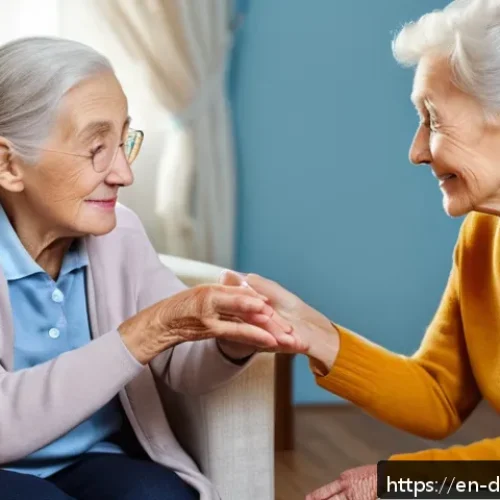
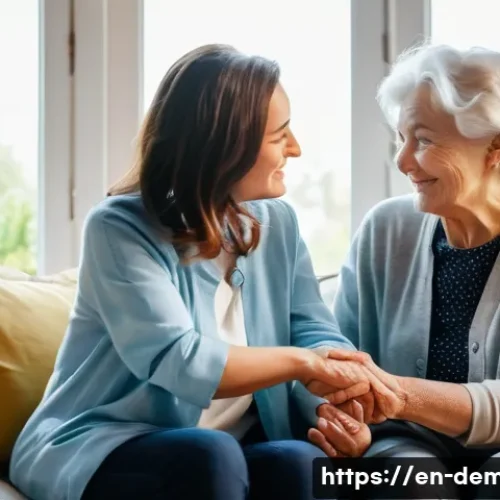
치매관리사 이직 준비 체크리스트 - A compassionate dementia care specialist gently interacting with an elderly woman in a cozy assisted...

Switching careers to become a dementia care specialist is both a rewarding and challenging journey. As the demand for skilled professionals in this field grows, preparing yourself thoroughly can make all the difference.

치매관리사 이직 준비 체크리스트 관련 이미지 1

From understanding certification requirements to honing practical skills, every step matters. Whether you’re motivated by personal experience or a desire to make a positive impact, having a clear roadmap is essential.

Let’s dive into the key checklist that will set you up for success. I’ll guide you through it all with clarity and confidence!

Understanding Certification and Licensing Requirements

Researching State and National Credentials

Before diving headfirst into dementia care, it’s crucial to understand the certification landscape. Different states and countries have varying requirements, so take time to research which credentials are necessary for your target location.

For example, many U.S. states recognize certifications like Certified Dementia Practitioner (CDP) or Alzheimer’s Association Dementia Care Specialist credentials.

These certifications demonstrate your commitment and knowledge, making you a more competitive candidate. I found that checking official state health department websites and professional organizations helped me clarify the exact steps I needed to take.

Don’t skip this step because it forms the foundation of your career shift.

Preparing for and Passing Certification Exams

Once you know what certifications you need, focus on preparation. Certification exams often cover topics such as dementia types, communication strategies, behavioral management, and ethical considerations.

I personally used a mix of online courses and study guides, which allowed me to learn at my own pace while balancing other responsibilities. Practice tests are a game-changer—they helped me identify weak areas before the real exam.

Remember, passing these exams isn’t just about memorization; it’s about understanding how to apply knowledge in real-life situations. This practical grasp is what will truly make you effective in your new role.

Maintaining Credentials Through Continued Education

Getting certified is only the beginning. Most certifications require ongoing education to keep your skills sharp and stay updated on the latest dementia care techniques.

I’ve found that enrolling in workshops, webinars, and conferences not only fulfills these requirements but also expands my network with like-minded professionals.

Keep a calendar of renewal deadlines and make continuing education a priority. This commitment shows both your dedication and professionalism, which clients and employers deeply appreciate.

Advertisement

Building Practical Skills Through Hands-On Experience

Volunteering in Dementia Care Settings

Nothing prepares you better than real-world experience. Volunteering at nursing homes, memory care units, or adult day centers gave me invaluable insight into the daily challenges and rewards of dementia care.

These environments teach you how to read nonverbal cues, manage difficult behaviors calmly, and adapt communication methods to individual needs. I can’t stress enough how these hands-on moments boosted my confidence and deepened my empathy, which are both essential qualities for this career path.

Shadowing Experienced Dementia Care Specialists

If possible, seek out opportunities to shadow seasoned professionals. Observing their interactions, problem-solving approaches, and emotional resilience can be eye-opening.

During my shadowing experiences, I learned subtle techniques like redirecting agitation without confrontation and creating soothing routines tailored to each patient.

These lessons aren’t typically found in textbooks but are crucial for success. Plus, shadowing often leads to mentorships, which can support your growth long-term.

Developing Communication and Emotional Skills

Dementia care demands more than technical knowledge; it requires patience, compassion, and excellent communication skills. I worked on active listening and practiced calm, reassuring speech, which made a huge difference when supporting residents experiencing confusion or frustration.

Emotional intelligence helps you stay grounded during tough moments and fosters trust with patients and their families. Consider training programs or counseling that focus on these soft skills—they complement your clinical knowledge beautifully.

Advertisement

Creating a Solid Educational Foundation

Choosing Relevant Academic Programs

Many dementia care specialists come from nursing, social work, or psychology backgrounds. If you’re starting fresh, look into associate or bachelor’s degrees in gerontology, nursing, or healthcare administration.

These programs provide a broad understanding of aging and healthcare systems, laying a strong base for specialized dementia training. Personally, enrolling in a gerontology course opened my eyes to the complexities of aging beyond dementia, enriching my overall perspective.

Leveraging Online Courses and Certifications

The rise of online education makes it easier than ever to gain dementia-specific knowledge without quitting your day job. Platforms like Coursera, edX, and specialized healthcare training sites offer flexible courses ranging from introductory to advanced levels.

I appreciated the ability to revisit lectures and engage in discussion forums, which enhanced my learning experience. Many of these courses also offer certificates you can add to your resume, boosting your credibility.

Staying Informed on Latest Research and Trends

Dementia care is an evolving field with continuous advancements in treatment, technology, and caregiving approaches. Subscribing to journals, newsletters, and reputable blogs helped me stay current.

For example, learning about new non-pharmacological interventions or assistive devices directly impacted how I approach care plans. Staying informed not only improves your skills but also signals to employers and clients that you’re a committed professional who values evidence-based practice.

Advertisement

Navigating Emotional and Physical Challenges

Recognizing Compassion Fatigue and Burnout

Working with dementia patients is deeply fulfilling but can also be emotionally taxing. I quickly learned to recognize signs of compassion fatigue—like feeling emotionally drained or detached.

These feelings are common but shouldn’t be ignored. Taking breaks, seeking peer support, and practicing mindfulness techniques helped me maintain my well-being.

Ignoring burnout risks affecting the quality of care you provide, so prioritize self-care from day one.

Building a Support Network

Having a strong support network of colleagues, mentors, friends, and family is invaluable. When I faced tough days, sharing experiences with others who understand the unique stresses of dementia care made a huge difference.

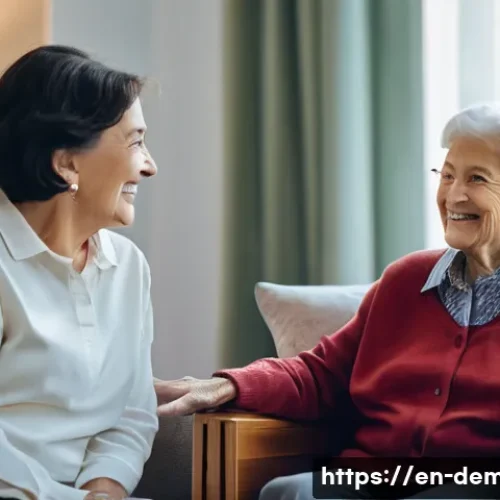
치매관리사 이직 준비 체크리스트 관련 이미지 2

Join professional groups or online communities where you can exchange advice, vent frustrations, and celebrate successes. Feeling connected reduces isolation and enhances resilience, allowing you to sustain a long, rewarding career.

Maintaining Physical Health and Energy

Dementia care often involves physically demanding tasks like assisting with mobility or managing unpredictable behaviors. I found that regular exercise, proper nutrition, and adequate sleep were essential to keep my energy levels up.

Incorporate stretching or strength training to prevent injuries and increase stamina. Being physically fit not only benefits your health but also enables you to provide safer, more effective care to those who depend on you.

Advertisement

Exploring Career Opportunities and Growth Paths

Identifying Potential Work Environments

Dementia care specialists work in various settings such as assisted living facilities, hospitals, home care agencies, and adult day programs. Each environment offers different experiences and challenges.

For example, home care allows for one-on-one attention but requires adaptability to clients’ homes, while facility-based care involves teamwork and structured routines.

I recommend shadowing or volunteering in multiple settings to discover what suits your personality and goals best.

Understanding Salary and Benefits Landscape

Compensation in dementia care can vary widely depending on location, experience, and employer type. Entry-level positions might offer modest wages, but specialized certifications and advanced roles often come with better pay and benefits.

Here’s a quick overview I compiled to compare typical salaries and benefits:

Position Average Annual Salary Common Benefits
Dementia Care Aide $28,000 – $35,000 Health insurance, paid time off
Certified Dementia Practitioner $35,000 – $45,000 Health insurance, retirement plans
Memory Care Coordinator $50,000 – $65,000 Health insurance, bonuses, education reimbursement

Planning for Long-Term Career Advancement

As you gain experience, opportunities arise to move into supervisory or educational roles, such as training new caregivers or managing memory care units.

Pursuing advanced certifications or degrees in healthcare administration or gerontology can open doors to leadership positions. I’ve found that setting clear short- and long-term goals, combined with continuous learning, keeps the journey exciting and financially rewarding.

Advertisement

Mastering Communication with Patients and Families

Adapting Communication Styles

Dementia affects each person differently, so being flexible with communication is key. I learned to simplify language, use visual cues, and maintain eye contact to foster understanding and trust.

Sometimes, nonverbal communication like gentle touch or a warm smile speaks volumes. This adaptability made my interactions more meaningful and reduced frustration for everyone involved.

Providing Emotional Support to Families

Families often experience stress, grief, and confusion when caring for loved ones with dementia. I made it a priority to listen actively, validate their feelings, and offer resources for education and respite care.

Sharing my knowledge in a compassionate way helped families feel empowered rather than overwhelmed. Building these relationships is deeply rewarding and enhances the overall care experience.

Handling Difficult Conversations with Sensitivity

Discussing topics like disease progression, safety concerns, or end-of-life decisions can be uncomfortable but necessary. I prepared for these conversations by staying informed, practicing empathy, and choosing the right time and setting.

Being honest yet gentle helped me build trust and guide families through complex decisions. Over time, I realized that clear, compassionate communication is one of the most valuable skills a dementia care specialist can have.

Advertisement

Conclusion

Embarking on a career in dementia care is both challenging and deeply rewarding. With the right certifications, hands-on experience, and emotional resilience, you can make a meaningful difference in the lives of those affected. Remember, continuous learning and compassionate communication are key to long-term success. Stay committed, and your efforts will be truly impactful.

Advertisement

Useful Information to Keep in Mind

1. Certification requirements vary by region, so always verify local and national credentials before starting.

2. Practical experience, such as volunteering or shadowing, greatly enhances your understanding beyond theoretical knowledge.

3. Emotional self-care is essential to prevent burnout and maintain high-quality care for dementia patients.

4. Exploring different work environments helps you find the best fit for your skills and preferences.

5. Strong communication skills with both patients and families improve care outcomes and build trust.

Advertisement

Key Takeaways

Successfully entering and growing in dementia care depends on thorough preparation, including obtaining the right certifications and gaining real-world experience. Balancing emotional well-being with professional responsibilities is critical to avoid burnout. Continuously updating your knowledge and skills ensures you provide the best care possible. Finally, effective communication tailored to patients and families strengthens relationships and enhances overall care quality.

Frequently Asked Questions (FAQ) 📖

Q: What certifications do I need to become a dementia care specialist?

A: To become a dementia care specialist, the most recognized certification in the U.S. is the Certified Dementia Practitioner (CDP) credential offered by the National Council of Certified Dementia Practitioners.
This requires completing specialized training and passing an exam that covers dementia care principles, communication techniques, and ethical considerations.
Additionally, having a background in nursing, social work, or caregiving helps, and some states may require specific licenses depending on your role. Personally, I found that combining formal certification with hands-on experience made a huge difference in confidence and job readiness.

Q: How can I gain practical experience if I’m switching careers with no prior healthcare background?

A: Starting fresh can feel overwhelming, but volunteering or working as a caregiver in assisted living facilities or memory care units is a great way to build practical skills.
Many organizations offer on-the-job training, and shadowing experienced dementia care specialists can provide invaluable insights into daily challenges and effective approaches.
When I switched careers, I made sure to spend time learning directly from seasoned professionals, which helped me understand real-world scenarios beyond textbooks.
Also, consider short courses or workshops focused on dementia care techniques to boost your hands-on abilities quickly.

Q: What are the biggest challenges in dementia care, and how can I prepare for them?

A: Dementia care is emotionally demanding—patients may exhibit confusion, aggression, or memory loss, which requires patience and empathy. One of the toughest parts is managing your own emotional resilience while providing compassionate support.
Preparing means developing strong communication skills, learning behavior management strategies, and building a support network for yourself. In my experience, embracing ongoing education and self-care routines helped me stay balanced and effective.
Remember, this career is as much about emotional strength as it is about technical knowledge.

📚 References


➤ Link

– Google Search

➤ Link

– Bing Search

➤ Link

– Google Search

➤ Link

– Bing Search

➤ Link

– Google Search

➤ Link

– Bing Search

➤ Link

– Google Search

➤ Link

– Bing Search

➤ Link

– Google Search

➤ Link

– Bing Search

➤ Link

– Google Search

➤ Link

– Bing Search

➤ Link

– Google Search

➤ Link

– Bing Search
Advertisement