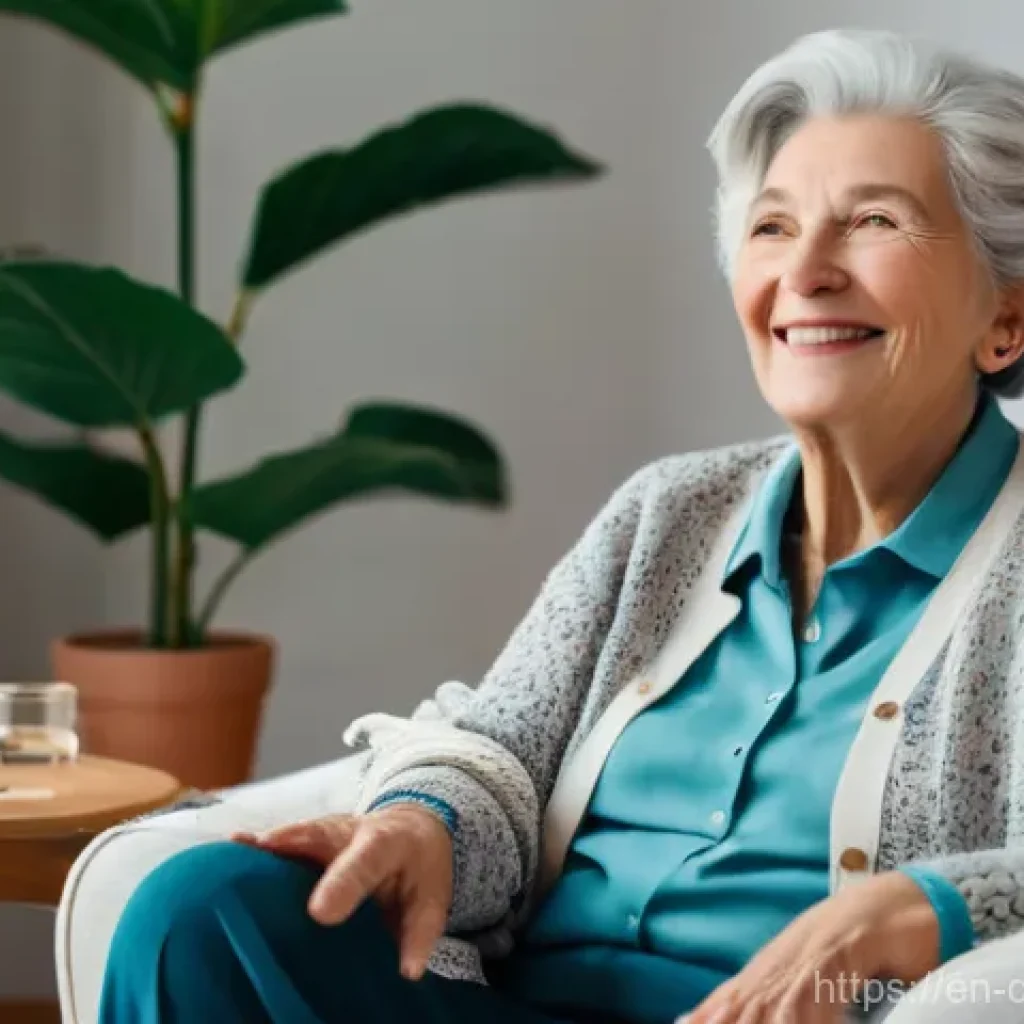
Hey everyone, it’s your favorite English blog influencer here, diving deep into a topic that truly touches our hearts and shapes our communities: the incredible social value of dementia care professionals.
We’ve all seen, or perhaps even personally experienced, the challenges that come with an aging population and the increasing prevalence of dementia. It’s a journey that can feel overwhelming, not just for those diagnosed, but for their families and loved ones too.
But amidst these complexities, a dedicated group of individuals stands as a beacon of hope, providing not just physical assistance but profound emotional support and dignity.
I’ve personally witnessed the immense difference a truly skilled dementia care professional can make. It’s more than just a job; it’s a calling to uphold the quality of life for those navigating memory loss, transforming difficult days into moments of connection and peace.
These amazing people are at the forefront, adapting to new challenges, embracing person-centered care approaches, and even integrating cutting-edge technology to offer the best support possible.
Their expertise is becoming more critical than ever, not only alleviating the intense burden often faced by unpaid family caregivers, but also enriching our entire societal fabric by ensuring our elders live with respect and tailored care.
It’s clear to me that their role is invaluable, a true testament to human compassion and dedication. Let’s delve into exactly how these professionals are shaping a brighter future for dementia care.
Embracing Holistic Well-being: Beyond Clinical Care

I’ve personally witnessed the immense difference a truly skilled dementia care professional can make, and it’s always struck me that their work extends far beyond just managing medical symptoms.
We often think of care as clinical, but for someone living with dementia, well-being is a complex tapestry woven from emotional comfort, cognitive engagement, and social connection.
These incredible individuals are masters at understanding the unique story and preferences of each person they support, crafting routines and activities that don’t just fill time, but genuinely enrich lives.
They’re the ones who notice a subtle shift in mood, who remember a favorite song from decades past, or who patiently encourage participation in an activity that might seem trivial but brings immense joy and a sense of purpose.
It’s about maintaining dignity, fostering independence wherever possible, and ensuring that every day holds moments of connection and peace, transforming what could be difficult days into opportunities for genuine human interaction and upholding a person’s intrinsic value, regardless of their cognitive challenges.
This deeply personal approach, focused on the individual’s entire being, is what truly sets them apart and is, in my opinion, the cornerstone of exceptional dementia care, proving that kindness and personalized attention are as vital as any medication.
The Art of Person-Centered Engagement
It’s an art, truly, to connect with someone navigating memory loss on their terms. I’ve seen firsthand how a brilliant dementia care professional doesn’t just “care for” someone, but “cares with” them.
This means adapting communication styles, using multi-sensory approaches, and designing activities that resonate with past interests and current abilities.
From baking a favorite childhood recipe to listening to music that sparks old memories, these moments of tailored engagement are not just fleeting pleasures; they actively reduce agitation, improve mood, and foster a sense of identity and belonging.
It’s about finding the spark within, even when it feels hidden, and fanning it gently back to life, demonstrating profound respect for the individual’s life story and preferences.
Nurturing Emotional and Psychological Comfort
Navigating dementia can be incredibly disorienting and frightening, not just for the individual but for their family too. This is where the emotional intelligence of a dementia care professional shines brightest.
They become a steady anchor, providing reassurance, managing anxieties, and interpreting non-verbal cues that others might miss. Their presence alone can often be a source of calm, creating a safe and predictable environment that minimizes stress and confusion.
It’s about building trust, offering compassionate understanding, and creating a feeling of security that allows individuals to experience moments of genuine happiness and peace, knowing they are seen, heard, and deeply cared for.
Empowering Families and Easing Caregiver Burden
As an English blog influencer, I’ve had countless conversations with people who are struggling with the immense emotional and logistical demands of caring for a loved one with dementia.
It’s a 24/7 role that can be utterly exhausting, leading to significant stress, burnout, and often, a sense of isolation. This is precisely where the unsung heroes of dementia care professionals step in, offering a lifeline that not only benefits the person receiving care but profoundly supports entire families.
They provide much-needed respite, allowing family caregivers to recharge, attend to their own needs, and maintain their personal well-being. But it’s more than just a break; it’s about sharing the load with someone who possesses specialized knowledge, empathy, and patience, someone who can navigate challenging behaviors with grace and provide reassurance during difficult times.
I’ve heard so many stories of families feeling overwhelmed and then finding a sense of peace once a professional enters the picture, transforming what felt like an impossible situation into one that is manageable and sustainable, ultimately strengthening family bonds by reducing friction and guilt.
Providing Invaluable Respite and Support
The emotional and physical toll of being a primary caregiver for someone with dementia is immense, and it’s something I’ve seen firsthand in my community.
Family caregivers often neglect their own health, relationships, and careers in their dedication. Dementia care professionals offer critical respite, giving families the chance to rest, work, or simply have a moment to themselves without worry.
This invaluable break is not just about physical rest; it’s about mental rejuvenation, allowing caregivers to return to their loved ones with renewed energy and a more positive outlook, fostering a healthier and more sustainable care environment for everyone involved.
It’s a vital service that often prevents caregiver burnout and allows families to continue providing love and support without sacrificing their own lives.
Educating and Guiding Family Members
Beyond direct care, these professionals serve as educators and guides for families navigating the complex world of dementia. They offer practical strategies for communication, behavior management, and safety, demystifying a condition that can often feel overwhelming and unpredictable.
I’ve seen them patiently explain the progression of the disease, suggest helpful adaptations to the home environment, and connect families with support groups and resources.
This mentorship empowers family members, equips them with tools to cope more effectively, and fosters a sense of understanding and control in a situation that often feels out of hand.
It’s about building a collaborative care team where everyone feels informed and supported.
Shaping Our Communities: A Ripple Effect of Compassion
The impact of dedicated dementia care professionals extends far beyond the immediate individuals they serve and their families; it creates a profound ripple effect that strengthens our entire community.
When individuals with dementia receive high-quality, person-centered care, they are better able to remain engaged in life, often reducing the need for more restrictive or costly institutional settings earlier than necessary.
This means more vibrant communities where elders are respected and included, and where their presence is valued. I’ve often thought about how their work contributes to a more compassionate society overall, one that recognizes the inherent worth of every individual, regardless of their cognitive abilities.
Their presence in homes and care facilities lessens the strain on emergency services, hospitals, and social welfare programs, creating a more efficient and humane system for everyone.
It’s truly incredible how their commitment helps foster a culture of understanding and acceptance towards those living with dementia, slowly but surely dismantling the stigma often associated with the condition and paving the way for more inclusive communities.
Reducing Societal and Healthcare Burdens
The expertise of dementia care professionals significantly alleviates pressure on broader societal and healthcare systems. By providing specialized care at home or in community settings, they often delay or prevent the need for acute hospitalizations due to falls, infections, or behavioral crises that can arise from inadequate care.
This not only saves immense healthcare costs but also frees up critical resources for other patients. Moreover, their ability to manage complex needs in a familiar environment enhances the quality of life for individuals with dementia, making them feel more secure and less prone to distress, which in turn reduces the demand for more intensive, and expensive, interventions.
Fostering Inclusive and Age-Friendly Environments
The presence and work of skilled dementia care professionals directly contribute to building more inclusive and age-friendly communities. They advocate for and implement practices that allow individuals with dementia to participate in community life as much as possible, whether through specialized programs, adapted environments, or simply by fostering public understanding.
This reduces isolation, promotes social engagement, and challenges negative stereotypes, ensuring that our towns and cities are places where everyone, including those with memory loss, can live with dignity and contribute in meaningful ways.
It’s about creating a societal fabric that truly supports all its members.
Innovation in Compassionate Care: Adapting and Evolving
The field of dementia care is anything but stagnant; it’s a dynamic space constantly evolving with new research, technologies, and best practices, and our dedicated professionals are right there at the forefront, adapting and innovating.
It’s inspiring to see how they embrace new approaches to enhance the lives of those they care for. From incorporating sensory gardens and reminiscence therapy to leveraging assistive technologies that promote independence and safety, these caregivers are always learning and applying the latest insights.
I’ve heard about amazing innovations like GPS trackers disguised as jewelry to prevent wandering, or smart home devices that offer gentle reminders for daily tasks.
This commitment to continuous improvement means that individuals with dementia are not just receiving basic care, but truly cutting-edge support that is tailored to their evolving needs and leverages every available tool to improve their quality of life.
It truly showcases their expertise and dedication to offering the very best, ensuring that care is not just compassionate, but also incredibly effective and forward-thinking in a rapidly changing world.
Leveraging Technology for Enhanced Care
I’ve been absolutely fascinated by how much technology is transforming dementia care, and how readily professionals are adopting it. We’re seeing everything from sophisticated monitoring systems that alert caregivers to unusual activity, to virtual reality experiences that transport individuals to familiar, comforting places or allow them to “visit” loved ones.
These tools aren’t meant to replace human interaction, of course, but to augment it, providing an extra layer of safety, promoting cognitive engagement, and sometimes, even enabling communication in new and surprising ways.
It’s about empowering individuals and caregivers alike with smart solutions that make daily life smoother and more secure, truly a game-changer in personalized support.
Integrating Non-Pharmacological Interventions
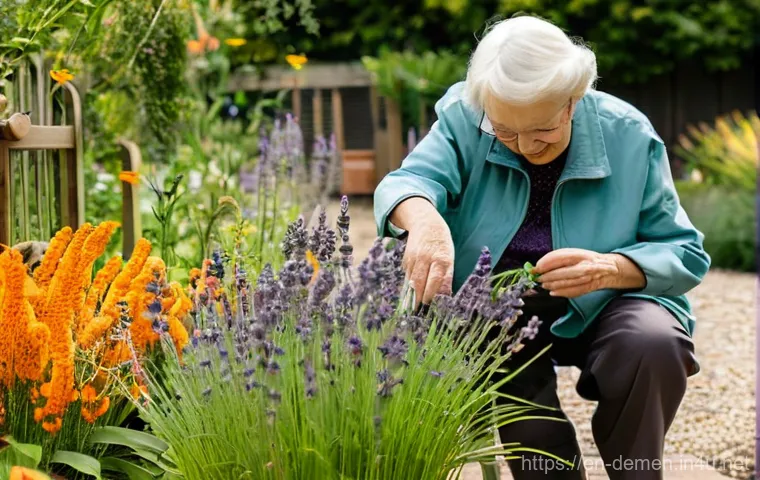
One of the most powerful shifts I’ve noticed in dementia care is the growing emphasis on non-pharmacological interventions, and professionals are leading the charge here.
Instead of relying solely on medication to manage symptoms like agitation or anxiety, they are skilled at using creative and holistic approaches. This includes music therapy, art therapy, pet therapy, validation therapy, and carefully designed physical activities.
I’ve witnessed the incredible calming effect of a familiar tune or the joy sparked by a simple painting session. These methods not only reduce the need for powerful drugs, but they also enhance quality of life, provide meaningful engagement, and allow individuals to express themselves in ways that words might no longer permit.
It truly speaks to the depth of their understanding of the human spirit.
The Economic and Social Return on Investment
When we talk about the “value” of dementia care professionals, we absolutely must consider the broader economic and social return on investment their work provides.
It’s not just an expense; it’s an investment in the fabric of our society and our economy. By providing expert care in home or community settings, they significantly reduce the reliance on more expensive institutional care, which can often be incredibly costly for families and public healthcare systems alike.
Think about it: preventing falls, managing chronic conditions proactively, and reducing behavioral crises means fewer emergency room visits and hospital stays, which are incredibly expensive.
Moreover, their support allows family members to remain in the workforce, contributing to the economy and avoiding potential career sacrifices that would otherwise lead to lost income and productivity.
I’ve seen statistics that clearly show how investing in quality home and community-based dementia care ultimately saves money in the long run, proving that compassionate care is also smart economic policy, benefiting everyone from the individual to the taxpayer, and strengthening local economies by creating vital job opportunities.
Reducing Healthcare Expenditure
One of the clearest economic benefits of skilled dementia care professionals is their role in reducing overall healthcare expenditure. By providing consistent, high-quality care in non-hospital settings, they help to stabilize individuals’ health, manage their conditions effectively, and respond to issues before they escalate into medical emergencies.
This proactive approach leads to fewer hospital admissions, shorter hospital stays when they do occur, and a reduced burden on our already stretched healthcare resources.
It’s a simple equation: better preventative and ongoing care outside of acute settings means significant savings for both public health systems and private insurance.
Enabling Workforce Participation
The presence of professional dementia caregivers plays a crucial role in enabling family members to maintain their careers and continue contributing to the economy.
Without this specialized support, many adult children or spouses would be forced to reduce their work hours, take extended leaves of absence, or even leave the workforce entirely to provide full-time care.
This loss of productivity and income isn’t just a personal tragedy; it has a tangible negative impact on national economies. By providing reliable, expert care, these professionals indirectly support workforce stability and economic output, allowing families to balance their caregiving responsibilities with their professional lives.
| Area of Impact | Specific Benefits Provided | Long-Term Outcome |
|---|---|---|
| Individual Well-being | Personalized care plans, cognitive engagement, emotional support, dignity preservation. | Improved quality of life, reduced agitation, enhanced sense of self and purpose. |
| Family Support | Respite for caregivers, expert guidance, stress reduction, practical strategies. | Reduced caregiver burnout, stronger family relationships, increased family stability. |
| Community & Society | Reduced healthcare burdens, fostering inclusivity, economic contribution, job creation. | More efficient healthcare systems, age-friendly communities, positive economic ripple effects. |
| Innovation & Evolution | Adoption of new technologies, integration of non-pharmacological therapies, continuous learning. | Cutting-edge care, enhanced effectiveness, better adaptation to individual needs, progressive field. |
A Call to Action: Valuing Our Dementia Care Heroes
After seeing the profound impact these incredible individuals have, it truly hits me that we need to do more as a society to recognize, support, and value our dementia care professionals.
They are, without exaggeration, heroes who bring light and dignity to some of life’s most challenging journeys. Their expertise, empathy, and unwavering dedication are cornerstones of a compassionate society, and their work deserves far more appreciation and investment.
It’s not just about acknowledging their hard work; it’s about ensuring they have the resources, training, and fair compensation they need to continue their invaluable service.
I’ve often wondered if we truly grasp the depth of skill and emotional resilience required for this profession—it’s immense. Supporting them means investing in better training programs, advocating for policies that elevate their professional standing, and, frankly, simply expressing our gratitude.
When we champion these professionals, we’re not just supporting an industry; we’re fortifying the very foundations of care and compassion in our communities, ensuring that our elders receive the respect and personalized attention they deserve, which ultimately enriches us all.
Investing in Training and Professional Development
To ensure the highest quality of dementia care, it’s absolutely critical that we invest significantly in ongoing training and professional development for these caregivers.
The landscape of dementia research and care practices is constantly evolving, and professionals need access to the latest information on everything from communication techniques to new therapeutic interventions.
I’ve seen how proper training empowers caregivers, boosting their confidence and effectiveness, which directly translates into better outcomes for those living with dementia.
It’s about providing opportunities for continuous learning, specialized certifications, and advanced education that recognizes their vital role and equips them with every tool they need to excel in this incredibly demanding field.
Advocating for Fair Compensation and Recognition
It’s simply unacceptable that many dementia care professionals, who perform such critical and emotionally taxing work, are often undervalued and underpaid.
Their compensation should reflect the immense skill, dedication, and emotional resilience required for this profession. As an influencer, I believe we must collectively advocate for policies that ensure fair wages, comprehensive benefits, and better working conditions.
Proper remuneration is not just about justice; it’s about attracting and retaining talented individuals in a field that desperately needs them. When we elevate their professional status and compensate them fairly, we signal to society that their work is truly vital, and we encourage more compassionate individuals to join this essential workforce.
Wrapping Things Up
As we bring this exploration to a close, it’s clearer than ever how integral professional dementia caregivers are to the well-being of individuals, families, and indeed, our entire society. My own observations and countless stories shared within my community have only reinforced my conviction: these aren’t just jobs, they’re callings. They embody compassion, skill, and an unwavering commitment that profoundly elevates the quality of life for those living with dementia. It’s a testament to the human spirit’s capacity for kindness and dedication, and frankly, their impact is something we should all acknowledge and champion.
Useful Information to Know
1. Early Diagnosis Matters: If you or a loved one are experiencing memory concerns, seeking an early diagnosis can unlock vital support, resources, and care planning opportunities, allowing for better management and a proactive approach to the journey ahead.
2. Support Groups Are Gold: Navigating dementia can feel isolating. Connecting with local or online support groups for caregivers and families can provide invaluable emotional support, practical advice, and a sense of community from people who truly understand what you’re going through.
3. Legal and Financial Planning: Planning ahead for legal and financial matters, such as power of attorney and healthcare directives, is crucial. It ensures that an individual’s wishes are respected and can significantly reduce stress for families down the line.
4. Focus on Communication: Adapting communication methods to meet the evolving needs of someone with dementia can make a huge difference. Simple, clear language, patience, and focusing on non-verbal cues can foster connection and reduce frustration for everyone involved.
5. Prioritize Caregiver Well-being: Remember, you cannot pour from an empty cup. Caregivers must prioritize their own physical and mental health. Seeking respite care, delegating tasks, and taking breaks are not luxuries, but essential components of sustainable caregiving.
Key Takeaways
The profound contributions of professional dementia care professionals extend far beyond clinical duties, encompassing emotional support, cognitive engagement, and community building. Their person-centered approach significantly enhances the quality of life for individuals with dementia, while simultaneously easing the immense burden on family caregivers. Furthermore, their expertise yields substantial economic and social benefits by reducing healthcare costs and enabling families to maintain their workforce participation. Ultimately, investing in their training, fair compensation, and societal recognition is not merely an act of kindness, but a strategic investment in a more compassionate, efficient, and inclusive society for all.
Frequently Asked Questions (FAQ) 📖
Q: What exactly makes dementia care professionals so crucial for our communities, beyond just providing medical help?
A: Oh, this is a question that truly hits home for me! It’s about so much more than just the clinical aspects, though those are undeniably important. From what I’ve personally observed, these incredible professionals are the unsung heroes who preserve the dignity and identity of individuals living with dementia.
They’re trained to connect on a deeply human level, seeing the person first, not just the diagnosis. They bring specialized communication techniques, patience, and a genuine understanding of the condition that allows them to navigate challenging behaviors with grace and turn potential frustrations into moments of calm and connection.
This means our loved ones aren’t just being cared for; they’re being seen, heard, and valued. When I think about the ripple effect, it’s clear they strengthen the social fabric by promoting empathy and understanding, creating more inclusive communities where older adults, regardless of cognitive ability, can continue to live fulfilling lives.
It’s a profound contribution to our collective humanity, ensuring that even in vulnerability, respect and quality of life are upheld.
Q: How do dementia care professionals specifically ease the immense pressure on family caregivers, and what impact does that have?
A: This is something I’ve seen firsthand, and it’s transformative. Family caregivers, bless their hearts, often carry an immense and often overwhelming burden – emotionally, physically, and sometimes financially.
Dementia care professionals step in as a vital lifeline, offering much-needed respite and expert support. My experience tells me that by providing consistent, high-quality care, they allow family members to step back from the demanding role of primary caregiver and simply be a daughter, son, or spouse again.
Imagine being able to enjoy a visit with your loved one without the constant worry about their immediate needs or safety! These professionals are equipped to handle complex situations, administer medications, manage daily routines, and adapt to changing needs, which can be incredibly stressful for untrained family members.
This alleviation of burden isn’t just about giving families a break; it’s about preventing burnout, preserving family relationships, and ensuring everyone involved can maintain their own well-being.
It’s truly a gift of peace of mind.
Q: Beyond the individual and family level, what are the broader societal benefits of investing in a robust dementia care workforce?
A: This is where we start to see the bigger picture, and frankly, it’s inspiring! When we invest in training, supporting, and retaining a strong dementia care workforce, we’re not just helping individuals; we’re strengthening society as a whole.
My take is that a skilled workforce directly improves public health outcomes. Think about it: better care can lead to fewer emergency room visits, better management of co-existing health conditions, and ultimately, a higher quality of life for our aging population.
Economically, it can reduce the overall strain on healthcare systems by preventing crises. Furthermore, it creates meaningful employment opportunities, fostering professional growth and attracting compassionate individuals to a truly vital field.
And perhaps most importantly, from a societal values perspective, it sends a powerful message: that we, as a community, cherish and prioritize the well-being of our elders, especially those facing the challenges of dementia.
It fosters a more compassionate, resilient, and prepared society for the demographic shifts we’re experiencing globally. It’s an investment that pays dividends in human dignity and social cohesion.