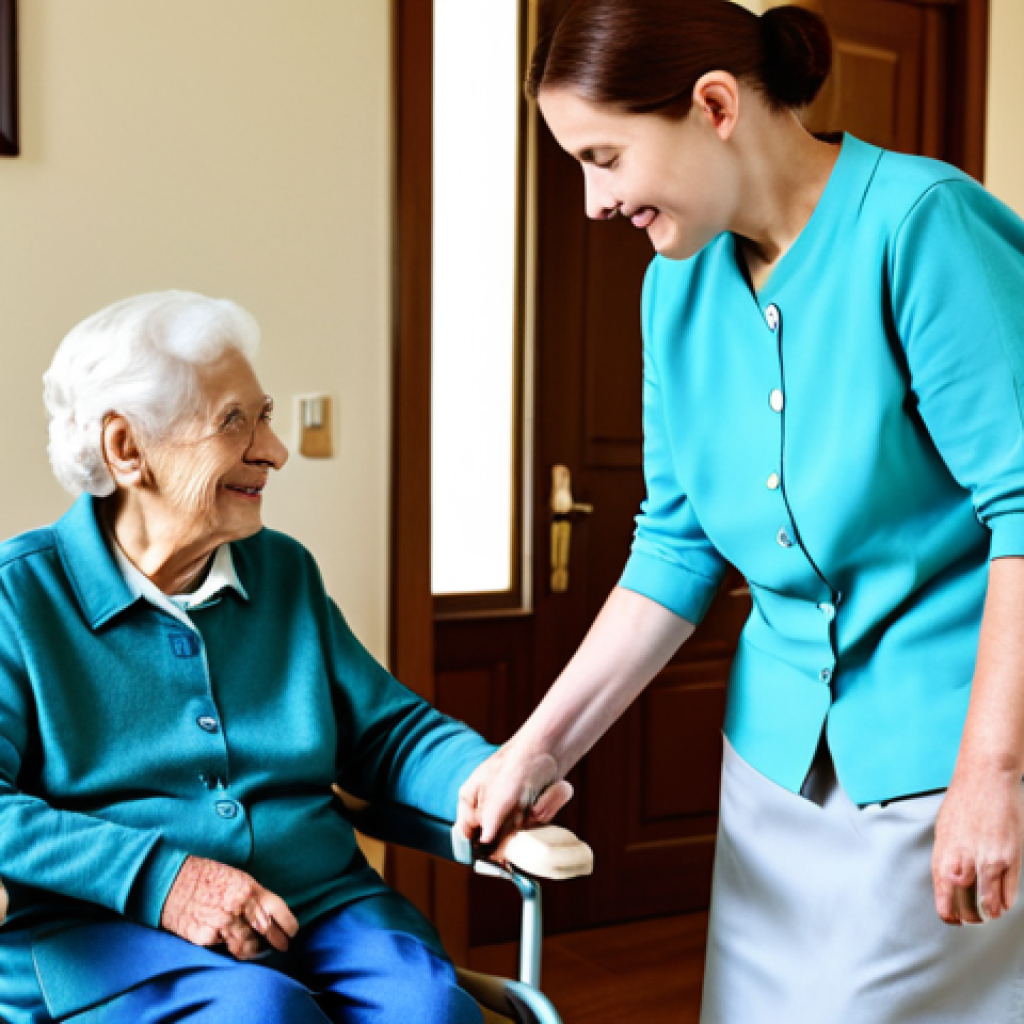
Dementia care specialists, or ‘memory care aides’ as I’ve heard some call them around here, play a crucial role in our communities, especially as the population ages.
Having witnessed firsthand the dedication of these professionals with my own grandmother, I’ve realized that they are more than just caregivers; they become companions, advocates, and a vital link to the outside world for those struggling with cognitive decline.
They do a lot to improve the patient’s as well as their families’ lives. The responsibilities of this profession are so varied, ranging from aiding in daily activities to fostering a sense of emotional security and mental stimulation.
New research suggests the demand for these specialists will only continue to grow, alongside the need for innovative approaches to care. It’s a field that demands a unique blend of compassion, patience, and specialized knowledge, all aimed at enhancing the quality of life for individuals living with dementia.
I’ve gathered some insights on what it takes to provide the best care for Dementia patients. Let’s delve into the specifics in the article below.
Creating a Safe and Stimulating Environment

1. Adapting Living Spaces for Safety
One of the first things I learned from observing experienced dementia care specialists is the importance of creating a living environment that minimizes risks. This isn’t just about removing obvious hazards like throw rugs or sharp furniture. It’s about anticipating potential dangers that might not be apparent to someone without specialized knowledge. I recall one specialist telling me about a client who frequently mistook the bathroom door for a closet, leading to frustration and accidents. They solved this by painting the bathroom door a bright, contrasting color and adding a large, clear sign. Small changes like these can make a huge difference in preventing falls, confusion, and anxiety. I’ve seen firsthand how decluttering and arranging furniture to allow for easy movement can greatly reduce the risk of accidents.
2. Incorporating Sensory Stimulation
Another key aspect of creating a supportive environment is incorporating sensory stimulation. This can involve anything from playing familiar music to engaging in tactile activities like knitting or painting. I remember reading about a study that showed how exposure to natural light and outdoor spaces can significantly improve mood and reduce agitation in dementia patients. Even something as simple as bringing in fresh flowers or opening a window to let in some fresh air can have a positive impact. When I was helping care for my grandmother, we found that playing her favorite old records and looking through photo albums would often bring back fond memories and spark moments of lucidity. It’s about finding those personalized touches that resonate with the individual and help them connect with the world around them.
Effective Communication Techniques
1. Using Clear and Simple Language
I quickly realized that communicating with someone living with dementia requires a different approach than everyday conversation. It’s crucial to use clear, simple language, speaking slowly and distinctly. Avoid using complex sentences or abstract concepts that might be difficult to process. I once observed a specialist patiently explaining a task to a client by breaking it down into small, manageable steps. Instead of saying, “Please get ready for lunch,” they would say, “Let’s wash your hands first. Then, we’ll go to the dining room.” This approach not only made the task easier to understand but also helped the client feel more confident and less overwhelmed. When speaking, you also have to be mindful of your tone of voice. It should be calm and reassuring. Even if the person is repeating the same question over and over, I found that it helps to answer with patience and kindness, reinforcing a sense of safety and security.
2. Non-Verbal Communication
Non-verbal communication is just as important, if not more so, than verbal communication when interacting with someone with dementia. Maintaining eye contact, smiling, and using gentle touch can convey warmth and empathy, even when words fail. I recall a specialist demonstrating how to approach a client who was feeling agitated. They approached slowly, made eye contact, and gently placed a hand on the client’s arm, speaking in a soothing tone. This simple gesture helped to calm the client down and establish a connection. Reading body language is also an important skill. Observing cues like facial expressions, posture, and gestures can provide valuable insights into how the person is feeling and what they might be trying to communicate. It’s about tuning into their emotional state and responding with compassion and understanding.
3. Utilizing Memory Aids and Visual Cues
Memory aids and visual cues can be incredibly helpful in supporting communication and independence. This might involve using labels to identify common objects, creating picture schedules to guide daily routines, or using visual prompts to remind the person of important information. I’ve seen specialists use photo albums or scrapbooks to help spark memories and facilitate conversation. Another effective technique is to use calendars and clocks to orient the person to time and place. These tools can help reduce confusion and anxiety, allowing the individual to maintain a sense of control and autonomy. When I was working with my grandmother, we created a memory box filled with items that were meaningful to her, such as old photographs, letters, and souvenirs. It became a wonderful way for us to reminisce and connect.
Managing Challenging Behaviors
1. Understanding the Root Causes of Agitation
I learned that challenging behaviors in dementia are often a result of underlying factors like pain, frustration, or unmet needs. It’s crucial to try and identify the root cause of the behavior rather than simply reacting to it. I remember a specialist explaining how a client’s seemingly aggressive outbursts were actually a result of chronic pain that was not being adequately managed. Once the pain was addressed, the behaviors significantly decreased. Other common triggers for agitation include changes in routine, sensory overload, and feelings of isolation. It’s about being a detective, carefully observing the person’s behavior and environment to try and uncover the underlying cause.
2. De-escalation Techniques
When faced with challenging behaviors, the goal is to de-escalate the situation and create a sense of calm. This might involve speaking in a calm, reassuring voice, removing the person from the stressful environment, or offering a distraction. I recall a specialist demonstrating how to redirect a client who was becoming agitated by focusing their attention on a pleasant activity, such as listening to music or looking at photographs. It’s important to avoid arguing or trying to reason with the person, as this can often escalate the situation. Instead, focus on validating their feelings and offering support. I also learned that it’s crucial to maintain a safe distance and avoid getting too close, as this can sometimes be perceived as threatening.
Promoting Independence and Dignity
1. Encouraging Participation in Daily Activities
Maintaining a sense of purpose and independence is essential for preserving dignity in dementia care. Encouraging participation in daily activities, even if it’s just in a small way, can help the person feel valued and capable. This might involve assisting with dressing, preparing meals, or engaging in hobbies. I’ve seen specialists adapt activities to match the person’s abilities, allowing them to participate as much as possible. I recall one specialist helping a client who loved to cook by setting out all the ingredients and tools they needed, allowing them to prepare a simple dish with minimal assistance. It’s about finding ways to support their independence while ensuring their safety and well-being.
2. Respecting Personal Preferences and Routines
Respecting personal preferences and routines is another crucial aspect of promoting dignity. I learned that it’s important to take the time to understand the person’s life history, values, and interests. This can help you tailor care to their individual needs and preferences. I remember a specialist telling me about a client who always insisted on dressing in a certain way, even if it wasn’t practical. Rather than trying to force them to change, the specialist found a compromise that respected their preferences while still ensuring their comfort and safety. It’s about treating the person as an individual with their own unique identity, rather than simply a patient with a diagnosis.
The Importance of Self-Care for Caregivers
1. Recognizing the Signs of Burnout

Providing dementia care can be incredibly demanding, both physically and emotionally. I quickly learned that it’s essential for caregivers to prioritize their own self-care and recognize the signs of burnout. This might include feeling exhausted, overwhelmed, or irritable, experiencing changes in sleep or appetite, or withdrawing from social activities. I recall a specialist sharing their experience of feeling completely drained and unable to cope after months of providing intensive care. They realized they needed to take a break and seek support before they could continue to provide effective care. It’s about acknowledging your limits and seeking help when you need it.
2. Seeking Support and Respite
Seeking support and respite is crucial for preventing burnout and maintaining well-being. This might involve joining a support group, seeking counseling, or utilizing respite care services. I’ve seen caregivers benefit greatly from sharing their experiences with others who understand what they’re going through. Respite care provides a temporary break from caregiving responsibilities, allowing the caregiver to recharge and take care of their own needs. It’s about recognizing that you can’t do it all alone and reaching out for help when you need it. There are many resources available to support caregivers, and it’s important to take advantage of them.
Legal and Ethical Considerations
1. Understanding Power of Attorney and Guardianship
Navigating the legal and ethical aspects of dementia care can be challenging. I learned that it’s important to understand concepts like power of attorney and guardianship, which allow someone to make decisions on behalf of a person who is no longer able to do so themselves. I remember a specialist explaining the different types of power of attorney and the importance of having these documents in place before a crisis occurs. It’s about ensuring that the person’s wishes are respected and that their best interests are protected. If a person does not have a power of attorney in place and is no longer able to make decisions for themselves, it may be necessary to seek guardianship through the courts. This process can be complex and time-consuming, so it’s important to seek legal advice.
2. Ethical Dilemmas in Dementia Care
Dementia care often involves ethical dilemmas, such as decisions about end-of-life care or the use of restraints. I learned that it’s important to approach these situations with compassion, respect, and a focus on the person’s best interests. I recall a specialist discussing the ethical considerations involved in deciding whether or not to use restraints on a client who was at risk of falling. They emphasized the importance of exploring all other options first and only using restraints as a last resort. It’s about balancing the person’s safety with their right to autonomy and dignity. Ethical decision-making in dementia care requires careful consideration, open communication, and a commitment to upholding the person’s values and preferences.
Utilizing Technology to Enhance Care
1. Telehealth and Remote Monitoring
Technology is playing an increasingly important role in dementia care, offering new ways to support individuals and their caregivers. I learned about telehealth and remote monitoring technologies that allow caregivers to monitor the person’s well-being from a distance. This might involve using sensors to track movement and activity levels, video conferencing to provide virtual support, or medication reminders to ensure adherence to treatment plans. I recall a specialist explaining how telehealth had helped them provide care to a client who lived in a remote rural area. It’s about using technology to extend the reach of care and improve access to services. However, it’s important to consider the ethical implications of using these technologies, such as privacy and data security.
2. Assistive Devices and Smart Home Technology
Assistive devices and smart home technology can also enhance the quality of life for people living with dementia. This might involve using devices like automatic pill dispensers, GPS trackers, or smart home systems that control lighting, temperature, and security. I’ve seen specialists use these technologies to create safer and more comfortable living environments for their clients. It’s about using technology to compensate for cognitive decline and promote independence. However, it’s important to choose technologies that are appropriate for the individual’s abilities and preferences, and to provide adequate training and support to ensure that they are used effectively.
| Aspect of Dementia Care | Description | Example |
|---|---|---|
| Creating a Safe Environment | Modifying the living space to minimize risks and promote safety. | Removing tripping hazards, installing grab bars in the bathroom. |
| Effective Communication | Using clear and simple language, non-verbal cues, and visual aids to communicate. | Speaking slowly, maintaining eye contact, using picture schedules. |
| Managing Challenging Behaviors | Understanding the root causes of agitation and using de-escalation techniques. | Identifying pain as a trigger, redirecting attention to a calming activity. |
| Promoting Independence | Encouraging participation in daily activities and respecting personal preferences. | Assisting with dressing, allowing the person to choose their own clothes. |
| Caregiver Self-Care | Recognizing the signs of burnout and seeking support and respite. | Joining a support group, taking a break to recharge. |
| Legal and Ethical Considerations | Understanding power of attorney, guardianship, and ethical dilemmas. | Ensuring proper legal documents are in place, respecting end-of-life wishes. |
| Utilizing Technology | Using telehealth, remote monitoring, and assistive devices to enhance care. | Using sensors to track activity, providing virtual support, automatic pill dispensers. |
Collaborating with Families and Healthcare Professionals
1. Establishing Open Communication Channels
I quickly realized that effective dementia care is a team effort, involving not only the caregiver but also the person’s family members, healthcare professionals, and other support staff. Establishing open communication channels is essential for ensuring that everyone is on the same page and working towards the same goals. This might involve regular meetings, phone calls, or email updates. I recall a specialist emphasizing the importance of actively listening to family members and incorporating their input into the care plan. It’s about building a collaborative partnership based on trust and mutual respect.
2. Advocating for the Person’s Needs
One of the most important roles of a dementia care specialist is to advocate for the person’s needs and preferences. This might involve attending medical appointments, communicating with healthcare providers, or ensuring that the person’s rights are protected. I’ve seen specialists go above and beyond to ensure that their clients receive the best possible care and support. It’s about being a voice for those who may not be able to speak for themselves and ensuring that their needs are met. Advocacy also involves educating others about dementia and promoting understanding and acceptance.
Creating a comprehensive care plan for individuals living with dementia is a multifaceted endeavor. From modifying living spaces and employing effective communication techniques to managing challenging behaviors and promoting independence, each aspect plays a vital role in ensuring their well-being.
By understanding legal and ethical considerations, utilizing technology, and fostering collaboration with families and healthcare professionals, we can provide holistic and compassionate care that honors their dignity and enhances their quality of life.
And just as importantly, never forget the critical importance of self-care for the caregiver.
In Closing
Witnessing the journey of dementia care, I’ve come to deeply appreciate the resilience and strength of both those living with dementia and their dedicated caregivers. It’s a path filled with unique challenges, but also one that offers profound opportunities for connection and compassion. By embracing the strategies and insights shared here, you’re not just providing care; you’re creating a supportive and loving environment where individuals can live with dignity and find moments of joy.
Remember, you’re not alone in this journey. There are countless resources and supportive communities available to help you navigate the complexities of dementia care. Take heart, stay informed, and continue to advocate for the well-being of those you care for. Together, we can make a meaningful difference in their lives.
Helpful Resources
Here are some resources that caregivers might find useful:
1. The Alzheimer’s Association: Provides information, support, and resources for individuals with Alzheimer’s and their families. They offer a 24/7 helpline, online forums, and local chapters.
2. The National Institute on Aging (NIA): Offers comprehensive information about Alzheimer’s disease and related dementias, including research updates and tips for caregivers.
3. The Family Caregiver Alliance (FCA): Provides support and resources for family caregivers, including educational materials, online support groups, and respite care information.
4. The National Council on Aging (NCOA): Offers programs and services to help older adults, including those with dementia, live healthy and independent lives. They provide resources on benefits enrollment, healthy aging, and economic security.
5. Local Area Agencies on Aging (AAA): Connect older adults and their caregivers with local resources and services, such as home care, transportation, and meal programs. You can find your local AAA by searching online or contacting your state’s aging services agency.
Key Takeaways
1. Prioritize Safety: Adapt living spaces to minimize risks, such as removing tripping hazards and installing grab bars.
2. Communicate Effectively: Use clear, simple language, non-verbal cues, and visual aids.
3. Manage Behaviors: Understand the root causes of agitation and use de-escalation techniques.
4. Promote Independence: Encourage participation in daily activities and respect personal preferences.
5. Practice Self-Care: Recognize the signs of burnout and seek support and respite.
6. Understand Legalities: Familiarize yourself with power of attorney, guardianship, and ethical considerations.
7. Leverage Technology: Utilize telehealth, remote monitoring, and assistive devices to enhance care.
8. Collaborate: Establish open communication with families and healthcare professionals and advocate for the person’s needs.
Frequently Asked Questions (FAQ) 📖
Q: What exactly does a dementia care specialist do?
A: From what I’ve seen with my own family and reading up on it, these specialists wear a lot of hats. They help with everyday tasks like dressing and eating, but it’s way more than just that.
They also provide emotional support, keep the patients engaged with activities, and even advocate for them within the healthcare system. It’s a mix of hands-on care and creating a supportive environment.
Q: Is there really going to be a growing need for dementia care specialists?
A: Absolutely. The statistics are pretty clear: as the population ages, the number of people living with dementia is expected to skyrocket. I read an article just last week predicting a massive shortage of qualified caregivers in the coming years.
It’s not just about having more caregivers, but having people who really understand how to provide quality, compassionate care for individuals facing cognitive decline.
It will get worse before it gets better!
Q: What qualities are most important for someone to be a good dementia care specialist?
A: If you ask me, it’s a combination of things. Obviously, you need some training and knowledge about dementia, but compassion and patience are non-negotiable.
I remember my grandmother used to get really agitated sometimes, and it took a special kind of person to stay calm and reassuring. Empathy, good communication skills, and the ability to build a trusting relationship are key to truly making a positive difference in the lives of both the patient and their family.
📚 References
Wikipedia Encyclopedia
구글 검색 결과
구글 검색 결과
구글 검색 결과
구글 검색 결과
구글 검색 결과