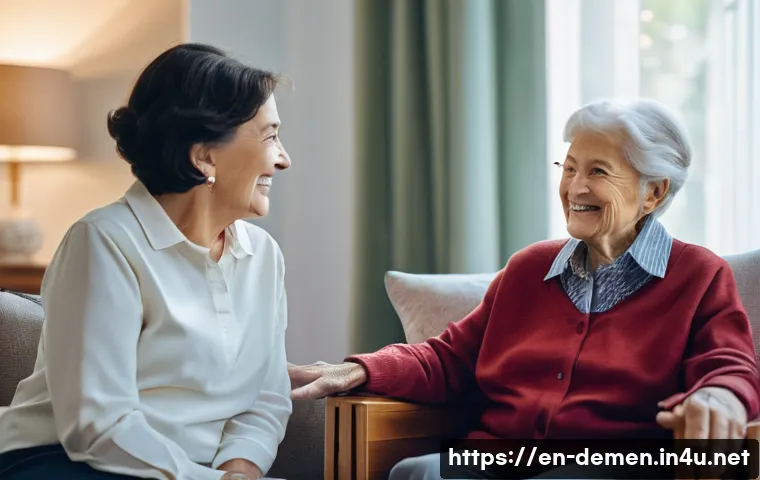
Navigating the evolving landscape of dementia care certification is more crucial than ever in 2024, as new guidelines and best practices continue to shape the field.

Whether you’re a seasoned professional or just starting out, understanding the latest exam trends can make all the difference in passing with confidence.
In this post, we’ll dive into the key updates and insider tips that can help you stay ahead of the curve. If you’re serious about advancing your skills and making a real impact in dementia care, stick around—this guide is tailored just for you.
Let’s unlock your path to success together!
Mastering the Latest Competency Areas in Dementia Care
Understanding Behavioral and Psychological Symptoms
Behavioral and psychological symptoms of dementia (BPSD) continue to be a focal point in certification exams, reflecting their critical role in daily caregiving.
From agitation and aggression to anxiety and depression, recognizing these symptoms early and responding with empathy and evidence-based interventions is essential.
What I’ve noticed in recent exams is an increased emphasis on non-pharmacological approaches—things like music therapy, validation therapy, and personalized activities that respect the person’s history and preferences.
It’s no longer enough to just identify symptoms; you need to demonstrate practical strategies to manage them effectively without over-reliance on medication.
This shift aligns with modern caregiving values, emphasizing dignity and quality of life.
Communication Techniques That Make a Difference
Communication challenges are a constant in dementia care, but recent exam trends highlight advanced techniques tailored to different stages of dementia.
For example, the latest guidelines stress the importance of simplifying language without sounding condescending, using nonverbal cues, and maintaining eye contact to build trust.
I found that exam questions often present scenarios requiring you to choose the best communication method to reduce confusion or agitation. Role-playing or case study questions are common, so practicing real-life conversations with loved ones or colleagues can boost your confidence and help you internalize these approaches.
Legal and Ethical Considerations in Dementia Care
New exam content increasingly covers the legal and ethical frameworks governing dementia care, such as informed consent, advance directives, and patients’ rights.
What stands out is the focus on balancing autonomy with safety, especially when dealing with decisions around medication, wandering, or driving. From my experience, understanding local laws and ethical principles isn’t just academic—it directly impacts how you approach care planning and family discussions.
This area often trips up candidates who overlook the nuances of consent or substitute decision-making, so thorough preparation here can set you apart.
Incorporating Person-Centered Care into Every Exam Section
Tailoring Care Plans to Individual Needs
Person-centered care remains the backbone of dementia certification, but the latest exams push candidates to go beyond generic plans. You’ll encounter questions requiring you to integrate medical history, cultural background, and personal preferences into comprehensive care strategies.
In practice, this means knowing how to assess each individual’s unique triggers and strengths, then crafting interventions that promote engagement and minimize distress.
I found that reflecting on real caregiving experiences or volunteer work helped me grasp how dynamic and flexible these plans must be.
Recognizing and Supporting Family Caregivers
The role of family caregivers is front and center in updated exam materials, highlighting their emotional and physical burdens. You might be asked to identify signs of caregiver burnout or suggest community resources and support groups.
The exams also test your ability to communicate effectively with families, providing education and empathy while managing expectations. Personally, acknowledging the family’s needs alongside the patient’s has been a game-changer in my approach, and it’s clear that certification bodies want you to do the same.
Using Technology to Enhance Dementia Care
Technology’s role in dementia care has expanded rapidly, and certification exams now reflect this trend. From GPS trackers that prevent wandering to apps that stimulate cognitive function, understanding how to incorporate these tools safely and ethically is vital.
Recent questions often explore scenarios where technology can either solve problems or introduce new challenges, like privacy concerns. I recommend getting hands-on experience with at least a few common devices or platforms, as this practical knowledge makes it easier to answer scenario-based questions confidently.
Deep Dive into Assessment and Diagnostic Tools
Latest Cognitive and Functional Assessment Techniques
Certification exams increasingly test your familiarity with a variety of validated tools for evaluating dementia progression, such as the Montreal Cognitive Assessment (MoCA) and Functional Activities Questionnaire (FAQ).
Understanding when and how to use these tools, as well as interpreting their results, is crucial. From what I’ve seen, questions often require you to match specific symptoms or functional limitations to the appropriate assessment method, so rote memorization won’t cut it—you need to understand the purpose and application of each tool.
Interpreting Neuroimaging and Biomarker Information
While not expected to be a radiologist, you should be comfortable with basic neuroimaging concepts and the role of biomarkers in diagnosis. Exams are starting to include questions about when MRI or PET scans are recommended and what typical findings might indicate about the type or stage of dementia.
Similarly, familiarity with biomarkers like amyloid-beta or tau proteins can give you an edge, as these are becoming part of diagnostic criteria. I suggest reviewing case studies that incorporate imaging or lab results to better grasp how this information fits into clinical decision-making.
Collaborative Assessment Approaches
Interdisciplinary collaboration is another hot topic, with exams highlighting the importance of working alongside neurologists, psychologists, social workers, and occupational therapists.
You’ll be tested on your ability to communicate assessment findings and contribute to a holistic care plan. In my experience, understanding the unique contributions of each discipline and how to coordinate care effectively is often overlooked but highly valued in both exams and real-world practice.
Strategies for Efficient Exam Preparation and Time Management
Breaking Down the Exam Content into Manageable Sections
Given the breadth of knowledge required, organizing your study plan is critical. I found that dividing the content into thematic chunks—such as symptoms, communication, legal issues—helped me focus and avoid burnout.
Using flashcards for key terms and practice questions for applied knowledge were also lifesavers. Scheduling regular review sessions and mixing up study methods kept things fresh and improved retention.
Practice with Realistic Case Scenarios
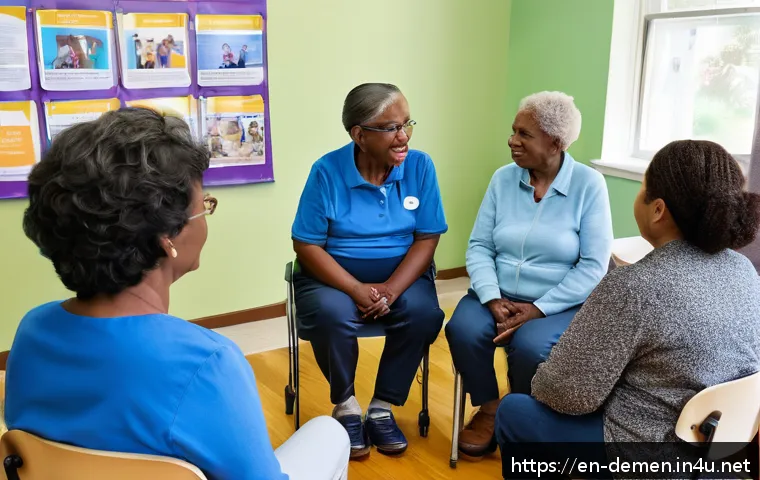
Many of the toughest exam questions come as case studies, so practicing with realistic scenarios can make a huge difference. I recommend finding or creating detailed vignettes that challenge you to apply your knowledge rather than just recall facts.
Role-playing with a study partner or mentor can also simulate exam conditions and sharpen your critical thinking.
Managing Stress and Maintaining Focus on Exam Day
Exam anxiety can undermine your performance, so developing strategies to stay calm and focused is essential. Personally, I use mindfulness techniques and deep breathing exercises before and during breaks to maintain clarity.
Getting a good night’s sleep and arriving early to the test center also help reduce stress. Remember, confidence comes from preparation, so trust your study efforts and approach each question methodically.
Understanding the Impact of Policy Changes on Dementia Care Certification
New Regulatory Standards and Their Implications
Recent policy shifts have introduced stricter standards for dementia care certification, reflecting growing public concern about quality and safety. These regulations often influence exam content by emphasizing compliance, documentation, and continuous education.
Staying updated on the latest policies through official websites or professional organizations can give you a competitive edge.
Incorporating Cultural Competence into Certification Requirements
Cultural competence has become a mandated component of many certification programs, requiring you to demonstrate sensitivity to diverse populations. Exams now test your ability to recognize cultural factors affecting dementia care, such as dietary restrictions, family dynamics, or health beliefs.
From my perspective, gaining experience with multicultural communities or attending relevant workshops enriches your understanding and prepares you for these questions.
Continuous Professional Development and Recertification Trends
The landscape of dementia care certification is dynamic, with ongoing professional development becoming a key requirement for maintaining credentials.
Exams and recertification processes now include updates on emerging research, new care models, and technology use. Embracing lifelong learning not only boosts your exam success but also ensures you deliver the highest standard of care throughout your career.
Essential Knowledge of Pharmacological Treatments and Safety
Recent Advances in Medication Management
Pharmacological treatments for dementia are evolving, and certification exams reflect these changes by testing your knowledge of the latest drugs, their mechanisms, and side effects.
For example, there’s growing scrutiny on antipsychotic use and a push for safer alternatives. From my experience, understanding both the benefits and risks of medications is critical when answering questions about treatment plans and patient safety.
Monitoring and Preventing Adverse Drug Reactions
Adverse drug reactions (ADRs) can significantly impact patient well-being, making this a frequent exam topic. You’ll need to identify signs of common ADRs and know appropriate interventions.
I found that learning real case examples where careful monitoring prevented serious complications helped solidify this knowledge.
Non-Pharmacological Alternatives and Their Integration
Complementing or replacing medication with non-pharmacological approaches is a growing trend reflected in exam questions. Techniques like environmental modifications, exercise programs, and cognitive stimulation therapies are now essential components of care.
Being able to recommend and explain these alternatives demonstrates a holistic understanding that examiners appreciate.
| Exam Topic | Key Focus Areas | Study Tips |
|---|---|---|
| Behavioral Symptoms | Non-pharmacological interventions, symptom recognition | Review case studies, practice intervention planning |
| Communication Skills | Advanced techniques, stage-specific approaches | Role-play scenarios, observe real conversations |
| Legal & Ethical Issues | Consent, patient rights, autonomy vs safety | Study local laws, ethical case discussions |
| Assessment Tools | Cognitive tests, functional assessments, imaging basics | Understand tool purposes, interpret sample results |
| Technology in Care | Use of tracking devices, apps, privacy concerns | Hands-on experience, review ethical guidelines |
| Pharmacology | Medication updates, side effects, alternatives | Memorize drug profiles, study ADR examples |
| Cultural Competence | Diverse populations, tailored care approaches | Engage with multicultural resources, workshops |
| Professional Development | Policy updates, continuous learning | Follow official updates, attend seminars |
Conclusion
Mastering the evolving competency areas in dementia care not only prepares you for certification exams but also enriches your ability to provide compassionate, effective support. Embracing person-centered approaches, legal awareness, and technological advances equips you to meet the complex needs of those living with dementia. With thoughtful preparation and practical experience, you can confidently navigate both exam challenges and real-world caregiving.
Helpful Information to Know
1. Regularly update your knowledge on non-pharmacological interventions as they play a key role in managing behavioral symptoms effectively.
2. Practice communication strategies tailored to different dementia stages to enhance patient interaction and reduce distress.
3. Stay informed about legal and ethical frameworks, especially regarding consent and autonomy, to ensure compliant and respectful care.
4. Gain hands-on experience with assessment tools and emerging technologies to improve diagnostic accuracy and care planning.
5. Prioritize self-care and stress management techniques during exam preparation to maintain focus and performance.
Key Takeaways
Understanding the latest trends in dementia care certification involves integrating evidence-based behavioral management, advanced communication skills, and ethical decision-making. Emphasizing person-centered care, interdisciplinary collaboration, and technology use enhances both exam readiness and practical caregiving. Consistent professional development and awareness of policy changes ensure ongoing competence and quality care delivery. Balancing pharmacological and non-pharmacological treatments supports patient safety and dignity, rounding out a comprehensive approach to dementia care excellence.
Frequently Asked Questions (FAQ) 📖
Q: uestions about Dementia Care Certification in 2024Q1: What are the most important updates in dementia care certification exams for 2024?
A: The 2024 exams have shifted to emphasize a deeper understanding of person-centered care and the integration of new technologies in dementia management.
You’ll find more questions related to ethical decision-making, communication strategies tailored to diverse populations, and the latest evidence-based interventions.
Preparing with up-to-date study materials that reflect these trends is key. From my experience, focusing on real-world scenarios rather than just memorizing facts really helps in answering situational questions confidently.
Q: How can I best prepare for the practical components of the dementia care certification?
A: Practical skills are increasingly critical in certification exams. I found that hands-on experience—whether through clinical placements, volunteering, or simulation training—makes a huge difference.
Practice applying techniques like behavioral management and effective communication with dementia patients in real-life settings. Also, watching demonstration videos and engaging in role-playing exercises can boost your confidence.
Remember, the examiners want to see that you can translate knowledge into compassionate, effective care.
Q: Are there any common pitfalls to avoid when taking the dementia care certification exam?
A: Absolutely. One common mistake is underestimating the importance of updated guidelines and failing to adapt to new best practices. Another is rushing through scenario-based questions without fully analyzing the context—these require thoughtful reflection.
I’ve noticed that test-takers who don’t review the latest research or who rely solely on outdated resources often struggle. Take your time to understand each question, and don’t hesitate to revisit your answers if time permits.
Staying calm and methodical can greatly improve your results.